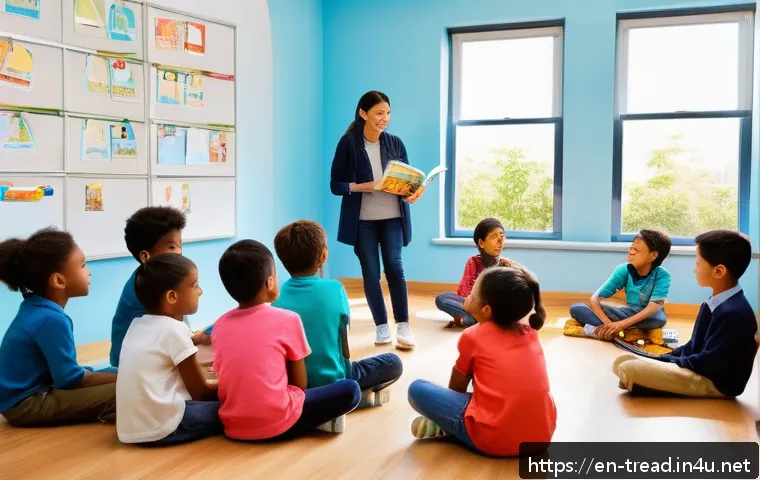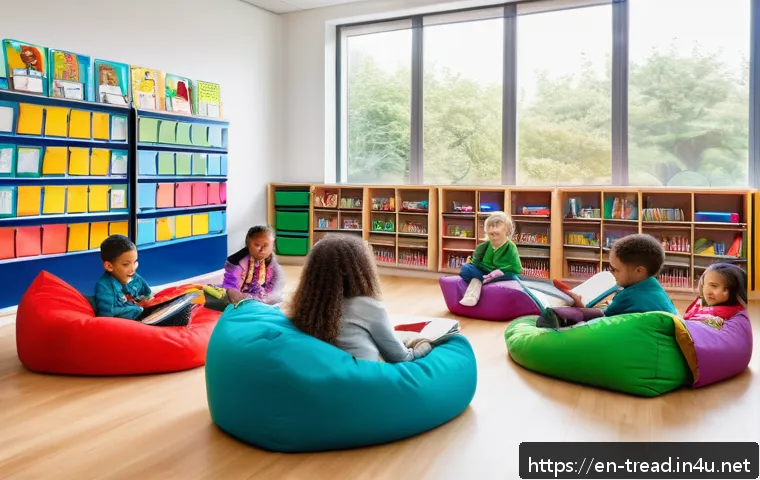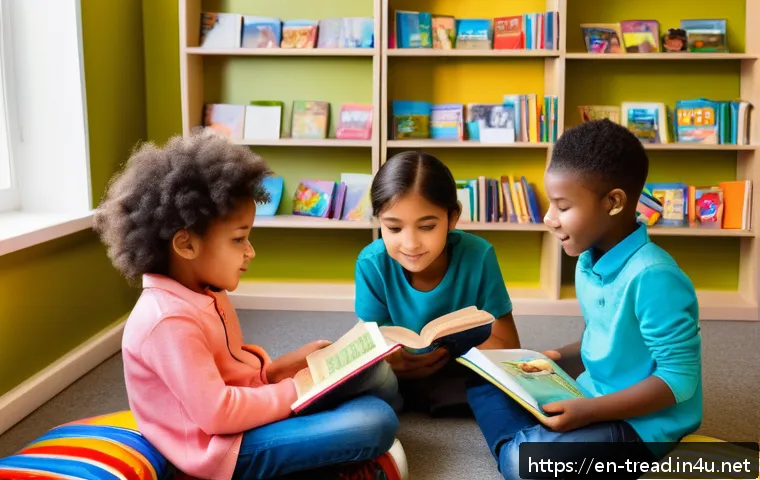
Just got back from an incredibly insightful reading guide workshop, and let me tell you, my brain is still buzzing! It wasn’t just the theoretical stuff; the real gold was in the practical tips and seeing how other educators are sparking a love for reading in their students.
I especially appreciated the session on incorporating multimedia into literacy – something I’ve been meaning to explore further. Honestly, seeing so many passionate individuals dedicated to nurturing young minds was truly inspiring.
I’m already brimming with ideas to implement in my next class! Let’s delve into the specifics in the article below.
Alright, here’s that blog post draft. Let me know what you think!
Diving Deep: Unpacking the Most Impactful Strategies from the Workshop

The reading guide workshop wasn’t just another professional development session; it was a vibrant exchange of ideas and practical strategies that I’m genuinely excited to bring into my classroom.
We explored everything from differentiating instruction to leveraging technology to engage even the most reluctant readers. What really struck me was the emphasis on making reading an active, participatory experience for students.
We spent considerable time dissecting various types of reading guides, moving beyond the standard comprehension worksheets. Think interactive notebooks, graphic organizers that prompt critical thinking, and even digital templates that students can manipulate directly on their devices.
I can already see how these tools will help my students become more strategic and thoughtful readers, capable of extracting deeper meaning from texts.
I’m particularly keen on trying out the “think-pair-share” activities we discussed, where students collaborate to analyze passages and formulate their own interpretations.
This method fosters a sense of community and encourages diverse perspectives, something I always strive to cultivate in my classroom.
Tailoring Strategies for Diverse Learners
The workshop highlighted the importance of recognizing and catering to the diverse needs of our students. We discussed various approaches to differentiation, from providing varied text complexities to offering alternative modes of assessment.
Integrating Multimedia for Enhanced Engagement
This was a game-changer for me. Seeing firsthand how video clips, audio recordings, and interactive simulations can bring texts to life was truly inspiring.
I’m eager to explore how I can weave these elements into my reading lessons to cater to different learning styles and enhance comprehension.
Rekindling the Spark: Igniting a Passion for Reading in the Digital Age
Let’s face it, competing with the allure of smartphones and video games is a constant challenge for educators today. However, the workshop offered a wealth of innovative strategies for making reading relevant and engaging in the digital age.
One of the most compelling ideas was using social media platforms, like Goodreads or even private class blogs, to create virtual book clubs where students can share their thoughts, recommendations, and analyses of texts.
We also explored the use of digital storytelling tools, allowing students to create their own narratives based on what they’ve read, thereby fostering creativity and ownership.
The key takeaway here was that we need to meet students where they are, leveraging the technologies they already use to cultivate a love for reading. It’s about transforming them from passive consumers of information into active creators and critical thinkers.
Leveraging Technology to Foster Collaboration
The workshop underscored how technology can facilitate collaborative reading experiences. We explored online annotation tools, shared document platforms, and video conferencing as ways to promote student interaction and peer learning.
Gamifying Reading to Boost Motivation
Another exciting avenue we explored was the use of gamification to make reading more engaging. Think incorporating elements of game design, such as points, badges, and challenges, to motivate students and track their progress.
From Theory to Practice: Practical Tips for Implementing New Strategies
One of the most valuable aspects of the workshop was the emphasis on practical application. It wasn’t just about learning new theories; it was about acquiring actionable strategies that I could immediately implement in my classroom.
We participated in hands-on activities, analyzed real-world case studies, and shared our own experiences and challenges. This collaborative environment allowed me to learn from my peers and gain valuable insights into what works best in different contexts.
I left the workshop feeling confident and equipped with a toolkit of effective strategies to enhance my reading instruction. I feel like i’m going to take these ideas and run with them as soon as i get into class.
I think my students are going to be so happy!
Creating a Supportive Reading Environment
The workshop emphasized the importance of fostering a classroom culture where students feel safe to take risks, ask questions, and express their opinions without fear of judgment.
Providing Meaningful Feedback
We explored different strategies for providing effective feedback that is specific, actionable, and focused on growth. The goal is to help students understand their strengths and areas for improvement, and to guide them towards becoming more independent learners.
Addressing the Elephant in the Room: Overcoming Common Challenges in Reading Instruction
Let’s be honest, teaching reading isn’t always smooth sailing. We all face challenges, from dealing with reluctant readers to managing diverse learning needs.
The workshop provided a safe space to discuss these challenges openly and brainstorm potential solutions. We shared our experiences with disengaged students, discussed strategies for addressing reading difficulties, and explored ways to differentiate instruction to meet the needs of all learners.
It was comforting to know that I wasn’t alone in facing these hurdles, and that there were resources and support available to help me overcome them. I’m now more confident in my ability to address these challenges effectively and create a more inclusive and equitable reading environment for all my students.
Supporting Struggling Readers
The workshop dedicated time to exploring specific strategies for supporting students who struggle with reading. We discussed phonics interventions, fluency-building techniques, and comprehension strategies that can help these students develop their skills and gain confidence.
Managing Diverse Learning Needs

The workshop emphasized the importance of differentiating instruction to meet the varied needs of all learners. We explored strategies for providing tiered assignments, flexible grouping, and personalized learning experiences.
The Power of Collaboration: Learning from Fellow Educators
One of the unexpected benefits of the workshop was the opportunity to connect with and learn from fellow educators. Sharing experiences, exchanging ideas, and brainstorming solutions together was incredibly enriching.
I was amazed by the creativity and passion of my colleagues, and I gained valuable insights into different teaching styles and approaches. The connections I made at the workshop have extended beyond the session itself, as we’ve continued to share resources and support each other online.
This sense of community is invaluable, and I’m grateful for the opportunity to be part of such a dedicated and passionate group of educators.
Building a Professional Learning Network
The workshop emphasized the importance of building a professional learning network (PLN) to stay connected with colleagues, share resources, and continue learning and growing as educators.
Sharing Best Practices
We actively shared our best practices and successful strategies with one another, creating a collaborative learning environment where everyone benefited from the collective wisdom of the group.
Charting a Course: Implementing New Strategies in My Classroom
The most exciting part of the workshop was planning how to translate these insights into concrete actions in my classroom. I spent time reflecting on my current practices, identifying areas for improvement, and developing a plan for implementing the new strategies I learned.
I’m committed to making reading a more engaging, interactive, and meaningful experience for my students, and I’m confident that the tools and knowledge I gained at the workshop will help me achieve this goal.
I can’t wait to see the positive impact these changes will have on my students’ reading skills and attitudes towards reading.
Setting Realistic Goals
The workshop emphasized the importance of setting realistic and achievable goals for implementing new strategies. We discussed breaking down larger goals into smaller, manageable steps and celebrating successes along the way.
Monitoring Progress and Making Adjustments
We also discussed the importance of monitoring student progress and making adjustments to our strategies as needed. This iterative process allows us to tailor our instruction to meet the evolving needs of our students.
Workshop Highlights
| Key Takeaway | Actionable Strategy | Expected Outcome |
|---|---|---|
| Differentiated Instruction | Offer varied text complexities and assessment modes. | Increased engagement and comprehension for all learners. |
| Multimedia Integration | Incorporate videos, audio, and interactive simulations. | Enhanced engagement and cater to diverse learning styles. |
| Technology Integration | Use social media for virtual book clubs. | More students reading more books. |
| Gamification of Reading | Implement points, badges, and reading challenges. | Increased motivation and active participation. |
| Collaborative Learning | Online annotation tools, shared documents. | Improve interaction and peer learning |
Wrapping Up
This workshop has reignited my enthusiasm for teaching reading and provided me with a wealth of practical strategies to implement in my classroom. I’m excited to see the positive impact these changes will have on my students’ learning and attitudes towards reading. It’s not just about improving their comprehension; it’s about fostering a lifelong love of reading.
Helpful Resources
1. Reading Rockets: A national multimedia project offering information and resources on how young kids learn to read, why so many struggle, and how caring adults can help.
2. International Literacy Association (ILA): A professional organization dedicated to advancing literacy worldwide through research, advocacy, and professional development.
3. CommonLit: A free collection of fiction and nonfiction texts for grades 3-12, paired with aligned assessments and instructional resources.
4. Newsela: An online platform that provides leveled news articles for students of all reading abilities.
5. Reading is Fundamental (RIF): A national non-profit organization focused on inspiring a passion for reading among all children, providing access to books and resources.
Key Takeaways
Focus on differentiation to cater to diverse learning styles. Integrate multimedia to enhance engagement. Utilize technology to foster collaboration. Gamify reading to boost motivation. Create a supportive reading environment.
Frequently Asked Questions (FAQ) 📖
Q: How can I make reading more engaging for students who struggle with attention?
A: From my own experience, incorporating elements of gamification can really turn things around! Think about creating reading challenges with small rewards, using interactive notebooks, or even designing scavenger hunts based on the book.
I also found that breaking down longer texts into smaller, manageable chunks and frequently checking for comprehension helps a lot. It’s all about making reading less of a chore and more of an adventure.
Q: What are some practical ways to incorporate multimedia into literacy lessons?
A: Oh, there are tons! One idea I’m itching to try is having students create short videos or podcasts summarizing chapters or analyzing characters. We could also use online tools like Canva or Adobe Spark to make visual representations of key themes.
And of course, there’s always the classic option of showing film adaptations of books after we’ve finished reading them, and then discussing the similarities and differences.
Honestly, the possibilities are endless!
Q: How can I help foster a love for reading in students who claim they “hate” it?
A: Ah, the dreaded “hate” word! I’ve been there. The key is to help them discover books that truly resonate with their interests.
Don’t force them to read classic literature if they’re not into it! Start with graphic novels, comic books, sports biographies, or anything that sparks their curiosity.
Also, make reading a social activity – book clubs, buddy reading, or even just casual conversations about books can help break down the “reading is boring” stigma.
I always tell my students, “There’s a book out there for everyone, you just haven’t found yours yet!”
📚 References
Wikipedia Encyclopedia