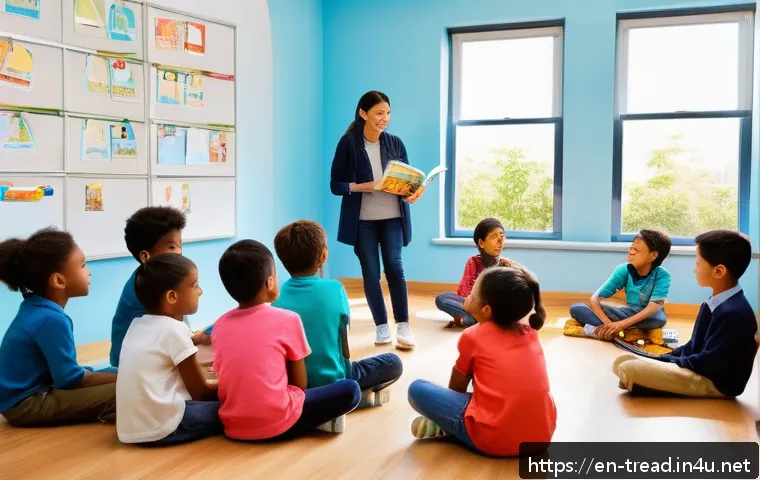
Hey there, incredible parents and fellow literacy champions! If you’re anything like me, there’s a special joy in watching a child’s eyes light up with understanding when they grasp a new word or get lost in a captivating story.
It’s a magical journey, isn’t it? As someone who has dedicated years to fostering that love for reading, I’ve seen firsthand that true literacy success blossoms when the home and school truly connect.
But let’s be real, in our increasingly busy world, navigating that communication can sometimes feel like a real balancing act. With all the amazing advancements in educational technology and our growing understanding of personalized learning, the way reading instructors and parents team up is evolving faster than ever before.
We’re talking about more than just report cards; we’re talking about dynamic, two-way conversations that empower you with actionable insights and help your child truly flourish.
I’ve discovered some powerful strategies to bridge any gaps, ensuring our young readers get consistent support and encouragement both in the classroom and at home.
This isn’t just about academic scores; it’s about nurturing a lifelong love of learning and preparing our children for a future where strong literacy is absolutely essential.
Let’s make sure we’re all on the same page, empowering our kids to become confident, joyful readers. I’ll make sure you get the full scoop on these game-changing strategies!
Building a Solid Foundation: Opening Channels from Day One

It truly warms my heart to see how eager parents are to jump into their child’s educational journey, especially when it comes to something as fundamental as reading.
From my own experiences, I’ve learned that the secret sauce to a child’s literacy success often starts with a robust, open line of communication between home and school right from the very beginning of the school year.
Think of it as laying the groundwork for a magnificent literary adventure! It’s not just about waiting for a problem to arise; it’s about proactively building a relationship with your child’s reading instructor, someone who spends so much time nurturing their mind.
I’ve found that a quick introductory email or a brief chat at orientation can make all the difference, establishing a friendly rapport that makes future conversations so much easier and more comfortable.
Remember, both you and the teacher are on the same team, dedicated to fostering that incredible spark of curiosity and love for books in your little one.
It’s about creating a partnership where everyone feels heard and valued, ultimately benefiting the most important person: your child. Don’t underestimate the power of that initial connection; it sets the tone for everything that follows.
Proactive Introductions and Goal Setting
I always tell parents to be the first to reach out, if possible. A simple email introducing yourself and expressing your enthusiasm for the upcoming school year can work wonders.
Share a little bit about your child’s reading habits and interests at home – what books they love, any challenges they might have faced, or even just their general personality when it comes to learning.
This personal touch provides the instructor with valuable insights even before the first day, helping them tailor their approach to your child’s unique needs.
It also demonstrates your commitment, which teachers genuinely appreciate. I’ve heard countless stories from teachers about how much they value parents who are engaged from the get-go.
It’s not about being overbearing; it’s about being an active and supportive participant in your child’s learning narrative. Plus, it’s a fantastic opportunity to jointly set some initial, achievable reading goals for the year, ensuring everyone is aligned and working towards the same inspiring vision.
The Power of a “Meet the Teacher” Moment
If your school offers a “Meet the Teacher” night or an open house, grab that opportunity with both hands! I’ve been to so many of these events, and while they can be a bit chaotic, those few minutes you get to speak directly with your child’s reading instructor are priceless.
It’s a chance to put a face to a name, share a quick anecdote about your child, and express your support. I’ve personally found that these brief, in-person interactions make such a difference in how comfortable I feel reaching out later with questions or concerns.
It’s about forging that human connection. Sometimes, just seeing the classroom and understanding the environment your child will be learning in can ease so many anxieties and give you a clearer picture of their day-to-day.
Don’t hesitate to ask about their preferred method of communication – is it email, a specific app, or phone calls? Knowing this upfront saves a lot of guesswork and ensures your messages land where they’re supposed to.
Harnessing Digital Tools for a Seamless Connection
Oh, how times have changed! When I first started out, communication was largely limited to notes tucked into backpacks or a quick phone call. Now, with the incredible advancements in educational technology, connecting with your child’s reading instructor has never been easier or more dynamic.
I’ve personally witnessed how digital platforms have transformed parent-teacher interactions, making them more immediate, transparent, and genuinely engaging.
From school-wide communication apps to personalized digital portfolios, these tools are designed to keep you in the loop without feeling overwhelmed. It’s not just about receiving information; it’s about having a window into your child’s daily progress, celebrating their small victories, and understanding where they might need a little extra nudge.
When used effectively, these digital resources can really bridge the physical distance between home and school, ensuring that the support your child receives for their reading journey is consistent and well-coordinated.
Exploring Communication Apps and Platforms
Many schools today utilize dedicated communication apps like ClassDojo, Remind, or SeeSaw, and let me tell you, they are game-changers! I’ve seen firsthand how these apps streamline everything from important announcements to quick messages about a student’s day.
For reading specifically, a teacher might share photos of your child engaging in a literacy activity, send a quick note about a new book they’re enjoying, or even provide a link to a resource for practicing sight words at home.
I’ve always encouraged parents to embrace these tools because they offer such immediate insights. It’s a fantastic way to feel connected to the classroom in real-time, which, for a busy parent, is invaluable.
Plus, the ability to send a private message to the teacher without playing phone tag is a huge relief. Just make sure to check notifications regularly so you don’t miss out on important updates or opportunities to celebrate your child’s progress.
Virtual Portfolios and Reading Progress Trackers
Another digital marvel I absolutely adore is the concept of virtual student portfolios or online reading progress trackers. Imagine being able to log in and see samples of your child’s writing, hear a recording of them reading aloud, or view a graph showing their vocabulary growth over time.
Many schools are now implementing these, and from my perspective, they offer an unparalleled level of transparency. It’s one thing to read a summary on a report card, but it’s an entirely different, more powerful experience to see and hear your child’s actual work and progress.
This isn’t just data; it’s a narrative of your child’s learning journey. I’ve found that when parents can see this tangible evidence, it not only helps them understand their child’s strengths and areas for growth but also empowers them to offer more targeted support at home.
It truly makes the learning process feel more collaborative and less like a mystery unfolding behind closed classroom doors.
Maximizing the Impact of Parent-Teacher Conferences
Ah, parent-teacher conferences! For many years, these often felt like the only formal touchpoint we had with our child’s educators. While digital communication has certainly broadened our interactions, the dedicated time of a conference remains incredibly valuable.
I’ve attended countless conferences, both as a parent and as an educator, and I’ve learned that their effectiveness really hinges on how prepared and engaged both parties are.
This isn’t just a reporting session; it’s a vital opportunity for a two-way dialogue, a chance to truly collaborate and create a united front for your child’s academic and emotional well-being, especially concerning their reading development.
It’s about digging deeper than surface-level observations and getting a comprehensive understanding of your child’s progress, personality, and potential within the classroom setting.
The insights shared in these face-to-face meetings can be truly transformative if approached thoughtfully.
Preparing for a Productive Discussion
My biggest piece of advice for conferences is to come prepared. Before you even step foot in the classroom, take a few minutes to jot down your observations about your child’s reading habits at home.
Do they shy away from certain genres? Are they enthusiastic about specific authors? What challenges have you noticed?
Also, gather any questions you might have about their in-class reading performance, their current reading level, or specific strategies the teacher is using.
I’ve found that having these points organized beforehand ensures you cover everything important and don’t leave feeling like you forgot to ask something crucial.
This preparation demonstrates your engagement and helps guide the conversation, making the most of the limited time. It shifts the dynamic from a passive listening session to an active, collaborative problem-solving meeting, where your input is valued and helps paint a fuller picture of your child.
Asking the Right Questions About Reading Growth
During the conference, focus your questions on actionable insights regarding your child’s reading. Instead of just “How is my child doing?”, try asking, “What specific strengths have you observed in their reading?” or “What are the key areas where you see room for growth, and what strategies are you implementing to address them?” I also love asking about how I can reinforce learning at home – “Are there any specific activities or types of books you recommend for them to read at home?” or “How can I best support their vocabulary development?” These kinds of questions really invite a deeper discussion and often lead to practical tips you can immediately apply.
Don’t be afraid to ask for clarification if you don’t understand an educational term or concept. Remember, this is your time to gather as much information as possible to become an even better literacy advocate for your child.
Decoding School Lingo: Understanding Educational Acronyms and Terms
Let’s be honest, walking into the world of education can sometimes feel like stepping into an alphabet soup of acronyms and specialized vocabulary! I’ve certainly been there, nodding along politely while secretly wondering what on earth “RTI” or “ELA” actually stood for.
It can feel a bit intimidating, and frankly, it creates an unnecessary barrier to effective communication. But here’s the thing: understanding these terms is crucial because they often refer to important programs, assessments, or instructional strategies that directly impact your child’s learning, especially their reading development.
Don’t let confusing jargon deter you from engaging fully with your child’s instructors. My personal philosophy is that clear communication means ensuring both parties speak the same language, and sometimes, that means taking a moment to unpack the terms being used.
Key Literacy Acronyms Every Parent Should Know
To help you navigate this linguistic maze, I’ve put together a quick cheat sheet of some common acronyms and terms you might encounter, especially concerning reading and literacy.
This isn’t an exhaustive list, but it covers a good portion of what you’re likely to hear. I promise, once you get the hang of these, you’ll feel so much more confident in conversations with teachers.
| Acronym/Term | What It Means | Why It Matters for Reading |
|---|---|---|
| ELA | English Language Arts | This is the umbrella term for reading, writing, speaking, and listening skills. Your child’s overall literacy development falls under ELA. |
| RTI | Response to Intervention | A multi-tier approach to providing early, systematic assistance to students who are struggling with learning, often focusing on reading. It helps identify and support students efficiently. |
| IEP | Individualized Education Program | A legally binding document for students with disabilities, outlining their educational goals and the specialized services they will receive, including support for reading. |
| Lexile Level | A numerical measure of a student’s reading ability and the difficulty of a text. | Helps match readers with books at an appropriate challenge level, fostering growth and preventing frustration. |
| Phonics | A method of teaching reading by correlating sounds with letters or groups of letters in an alphabetic language. | Essential for decoding words and building foundational reading skills. |
| Fluency | The ability to read text accurately, quickly, and with proper expression. | A key component of reading comprehension; fluent readers can focus on meaning rather than decoding. |
Don’t Be Afraid to Ask for Clarification
This is huge, folks! I cannot stress this enough: if a teacher uses a term or an acronym you don’t understand, please, please, please ask them to explain it.
There is absolutely no shame in seeking clarification. In fact, it shows that you are actively engaged and genuinely interested in understanding your child’s educational journey.
I’ve personally found that teachers are almost always happy to break down complex terms into plain language. They want you to understand! A simple, “Could you explain what ‘differentiated instruction’ means in the context of my child’s reading?” can open up a much more meaningful dialogue.
This not only empowers you with knowledge but also reinforces that the communication channel between you and the teacher is open, honest, and respectful.
Your understanding is key to being an effective partner in your child’s literacy development.
Cultivating a Vibrant Reading Culture at Home
As a parent who’s seen countless children blossom into confident readers, I can tell you with absolute certainty that the magic doesn’t just happen within the four walls of a classroom.
The home environment plays an absolutely crucial, often underestimated, role in nurturing a lifelong love of reading. It’s not about turning your living room into a sterile library or forcing your child to read for hours.
Instead, it’s about creating an atmosphere where books are celebrated, stories are shared, and reading is simply a joyful, natural part of daily life.
I’ve always believed that the most powerful lesson we can teach our children is that reading is an adventure, a source of endless discovery and delight.
When kids see reading modeled and valued at home, it plants a seed that grows into a thriving passion, regardless of what’s happening at school.
Making Reading an Everyday Joy, Not a Chore
This is where the real fun begins! Think about making reading a comfortable, natural part of your routine rather than a dreaded assignment. My own family’s secret?
Bedtime stories, without fail. Even as my kids got older and started reading independently, we’d still take turns reading chapters aloud from a favorite book.
It became our special ritual, a time to connect and share an imaginative world together. Also, consider “reading for pleasure” time – let your child choose *what* they want to read, whether it’s a graphic novel, a comic book, a magazine about their favorite sports team, or even a recipe.
The key is choice and enjoyment. When reading feels like an exploration driven by their own interests, rather than a task, their engagement skyrockets.
I’ve seen kids who initially resisted reading transform into voracious bookworms just by being given the freedom to follow their literary curiosity.
Building a Home Library That Sparks Imagination

You don’t need a sprawling, floor-to-ceiling library to create an inspiring reading space. Even a small, cozy nook with a handful of diverse books can make a huge difference.
The goal is to make books accessible and appealing. Consider rotating books from the public library frequently, so there’s always something new and exciting to discover.
I personally love taking my kids to the local library; it’s like a treasure hunt every time! Think about books that reflect your child’s interests, books that challenge them slightly, and books that introduce them to different cultures and perspectives.
Having a variety of reading materials, from fiction to non-fiction, helps broaden their horizons and keeps their interest piqued. Remember, the physical presence of books in the home subtly communicates their value, encouraging children to pick them up and explore on their own terms.
Navigating Challenges and Advocating for Your Child’s Needs
Let’s face it, the path of parenthood and education isn’t always smooth sailing. There will inevitably be moments when your child struggles with reading, or you might find yourself feeling uncertain about how best to support them.
In my years of working with families, I’ve seen these challenges arise in countless forms – from a sudden dip in motivation to difficulties with specific reading skills.
It’s in these moments, perhaps more than any other, that your role as an advocate becomes absolutely paramount. Don’t shy away from addressing concerns.
Instead, approach them with a proactive, collaborative mindset. Remember, you know your child best, and your insights are invaluable to their reading instructor.
It’s about working together to find solutions that truly help your child thrive, rather than letting concerns fester.
When to Seek Additional Support or Intervention
It’s natural for kids to have ups and downs in their learning, but sometimes, a persistent struggle signals a need for a more targeted approach. I always tell parents to trust their gut.
If you’ve noticed a consistent pattern of difficulty with reading, despite your best efforts at home and regular communication with the teacher, it might be time to gently inquire about additional support.
This could involve asking about school-based interventions, like those offered through an RTI program, or discussing whether a more in-depth assessment might be beneficial.
It’s not about jumping to conclusions, but about gathering information and exploring all available resources. I’ve personally guided families through these conversations, and it’s always started with an open, honest dialogue with the teacher about observed difficulties and potential next steps.
Early intervention can make a world of difference, so don’t hesitate to raise your hand if you have a nagging concern.
Becoming Your Child’s Best Literacy Advocate
Being an advocate means being informed, articulate, and persistent (in the best possible way!). It means asking thoughtful questions, actively listening to the teacher’s professional insights, and clearly communicating your observations and concerns.
If you feel like your concerns aren’t being fully addressed, don’t be afraid to schedule a follow-up meeting or ask to involve other school professionals, like a reading specialist or school psychologist.
I’ve learned that sometimes, a different perspective can unlock a new strategy. It’s important to stay calm and collaborative, framing your advocacy as a partnership focused on your child’s success.
Remember, you are your child’s most consistent champion, and your voice carries immense weight. By working hand-in-hand with the school, you create a powerful support system that ensures your child receives exactly what they need to become a confident, joyful reader.
Beyond the Classroom: Tapping into Community Resources for Literacy
It’s easy to think of reading education as solely confined to school walls, but I’ve found that some of the most vibrant and enriching literacy experiences happen out in the wider community.
There’s a whole ecosystem of resources beyond the classroom and home that can ignite a child’s passion for reading, offer extra support, and broaden their literary horizons in truly delightful ways.
From the moment my own children were tiny, I made it a point to explore every local avenue that could foster their love of books. It’s about creating a rich, immersive literary environment that extends beyond formal learning, making reading feel like an integral and exciting part of their world.
These community touchpoints aren’t just supplemental; they’re often transformative, providing unique perspectives and opportunities that school alone might not offer.
The Magic of Your Local Public Library
Oh, the public library! If there’s one place I could shout about from the rooftops, it’s this incredible community treasure. It’s so much more than just shelves of books; it’s a hub of literacy and learning.
I’ve spent countless hours with my kids at our local library, attending story times, participating in summer reading programs, and just simply exploring the vast array of genres.
Many libraries offer free workshops, tutoring, or even book clubs for various age groups. They also have access to digital resources like e-books, audiobooks, and educational databases that can be invaluable for students.
I’ve found that these programs often spark new interests and introduce children to books they might not encounter otherwise. It’s a wonderful, cost-effective way to keep their minds engaged and their love for reading flourishing all year long.
Don’t underestimate the power of a friendly librarian and a welcoming space!
Exploring Local Literacy Programs and Bookstores
Beyond the public library, many communities boast a wealth of other fantastic literacy-focused resources. Look out for local independent bookstores; they often host author readings, children’s events, or even small writing workshops that can be incredibly inspiring.
I’ve taken my kids to these events, and seeing a real author talk about their creative process is just magical. Furthermore, many non-profit organizations or community centers offer free or low-cost literacy programs, tutoring services, or after-school reading clubs.
These can be particularly beneficial if your child needs a little extra support or just thrives in a different learning environment. A quick online search for “children’s literacy programs [your city/town]” can often unearth some real gems.
Tapping into these resources creates a holistic support system for your child’s reading journey, showing them that reading is a valued and celebrated activity in the wider world.
My Personal Journey: Lessons Learned and Triumphs Shared
You know, looking back on my own path as a parent and as someone deeply invested in literacy, I’m struck by how much I’ve learned from every single interaction – the easy ones, the challenging ones, and everything in between.
It’s been a truly humbling and incredibly rewarding experience, watching children discover the power and joy of reading. I’ve made mistakes, celebrated huge victories, and sometimes, I’ve just thrown my hands up in exasperation, like any parent.
But through it all, one thing has remained constant: the absolute necessity of a strong, empathetic bridge between home and school. My belief is that every child deserves to feel supported and understood in their reading journey, and that happens best when we, as parents and educators, commit to walking that path together.
The Power of Persistence and Positive Reinforcement
I vividly remember a period when my youngest was struggling with a particular phonics skill. It felt like we were hitting a wall, and honestly, I was getting frustrated, and so was she.
But instead of letting that frustration win, I reached out to her teacher, and we brainstormed some new, fun approaches. We turned it into a game, celebrated every tiny improvement, and I made sure to shower her with praise for her effort, not just her results.
Slowly but surely, the pieces clicked. That experience taught me the incredible power of persistence – both hers and mine – and the undeniable impact of positive reinforcement.
It’s not always about grand gestures; sometimes, it’s the consistent, encouraging words, the patient guidance, and the unwavering belief in your child’s potential that truly makes the difference.
Those small, consistent efforts compound over time into monumental growth.
Celebrating Every Literary Milestone, Big or Small
One of the greatest joys of my journey has been witnessing those “aha!” moments when a child finally grasps a concept or falls in love with a book. I’ve learned to celebrate every single one, no matter how small.
The first time my child read a whole sentence independently, the excitement when they chose to read a book over watching TV, or even just expressing a strong opinion about a character – these are all victories!
These aren’t just academic achievements; they’re moments that build confidence, foster a sense of accomplishment, and deepen their connection to the magical world of stories.
As parents and educators, our shared goal is to nurture not just readers, but lifelong learners who find immense pleasure and power in the written word.
It’s a privilege to be part of that journey, and I wouldn’t trade it for anything.
Concluding Thoughts
It truly fills my heart to think about the incredible journey we’ve just navigated together, exploring the myriad ways we can support our children’s reading development.
As a parent who’s walked this path, I can genuinely say that the most impactful lessons often come from those seemingly small, consistent efforts we make every day.
Building that empathetic bridge between home and school, fostering a love for books, and consistently advocating for our little ones creates an unbreakable foundation.
Remember, you’re not just helping them learn to read; you’re opening up a universe of knowledge, imagination, and endless possibilities. Keep that spirit alive, and watch your child flourish into a confident, joyful reader!
Handy Information You’ll Love
1. Embrace Reading for Pure Pleasure: Forget about test scores for a moment and simply let your child read what they genuinely enjoy. Whether it’s graphic novels, a magazine about their favorite hobby, or a thrilling fantasy series, allowing them choice ignites an intrinsic love for reading that formal assignments often can’t. I’ve found that when kids feel in control of their reading material, they’re far more likely to pick up a book on their own, leading to increased fluency and comprehension without it feeling like work. This simple shift can transform their entire perception of books from a chore to a cherished escape.
2. Your Local Library is a Goldmine: Seriously, don’t underestimate the power of your public library! Beyond the incredible selection of free books, most libraries offer fantastic programs like story times, summer reading challenges, and even free tutoring or workshops. It’s a vibrant community hub that encourages literacy in a fun, pressure-free environment. I’ve personally seen my own kids discover new genres and authors just by wandering through the aisles and attending library events, proving it’s an invaluable resource for supplementing school learning and keeping boredom at bay.
3. Ask Thoughtful Questions During Parent-Teacher Conferences: Instead of just listening, use your conference time as an opportunity for genuine dialogue. Prepare a few specific questions beforehand – ask about your child’s reading strengths, areas for growth, and what strategies the teacher uses in the classroom that you can echo at home. This proactive approach not only shows your engagement but also helps you gather actionable insights. I’ve found that framing questions around collaboration (“How can we best work together?”) leads to the most productive and supportive outcomes for your child.
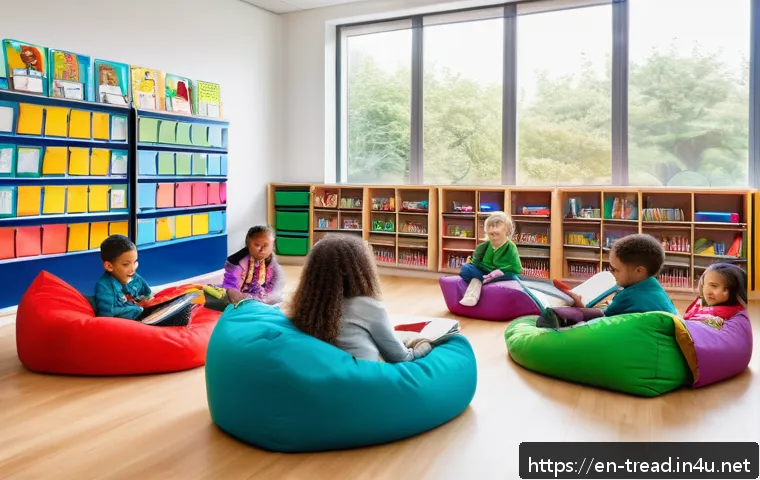
4. Create a Cozy Reading Nook at Home: You don’t need a massive library; just a comfortable, inviting spot dedicated to reading can work wonders. Think soft blankets, good lighting, and easy access to a selection of books. This small, intentional space sends a powerful message that reading is valued and a source of comfort and enjoyment. My kids gravitate towards their reading corners automatically, and it’s become a beloved part of our home where imagination can freely roam. It’s amazing how a designated space can subtly encourage more reading time.
5. Master School Communication Tools: Many schools use dedicated apps or online platforms for parent-teacher communication. Take the time to understand how these work – whether it’s ClassDojo, Remind, or the school’s specific portal. Knowing how to send messages, check grades, and view announcements ensures you stay in the loop and can respond promptly to any reading-related updates or concerns. I’ve seen firsthand how these tools can bridge the gap between home and school, making it incredibly easy to maintain that crucial, open line of communication about your child’s literacy journey.
Key Takeaways for Your Child’s Reading Journey
At the heart of fostering a love for reading lies genuine partnership and unwavering advocacy. My journey, and indeed the countless stories I’ve heard from fellow parents and educators, consistently reinforces that a child thrives when home and school collaborate seamlessly.
It’s about proactive communication, not just reactive problem-solving, and building trust with your child’s instructors from day one. Remember to lean into the digital tools available, but never underestimate the power of a face-to-face conversation.
Critically, become fluent in the language of education – understanding those acronyms and terms empowers you to ask the right questions and truly understand your child’s progress.
Most importantly, cultivate a home environment where reading is celebrated, accessible, and an everyday joy, rather than a chore. Your consistent encouragement and belief in their potential will be the most powerful catalysts for their literacy growth, helping them unlock a world of imagination and knowledge that lasts a lifetime.
Frequently Asked Questions (FAQ) 📖
Q: With all the demands on our time, what are the most effective ways for busy parents to truly connect with their child’s reading instructor and get meaningful updates?
A: Oh, I totally get it – life moves at lightning speed! Finding time to connect with teachers can feel like another item on an already overflowing to-do list.
But here’s what I’ve found works wonders: go beyond the traditional parent-teacher conference. Think proactive, short bursts of communication. I always encourage parents to send a quick email at the start of the year introducing themselves and expressing their interest in supporting reading at home.
A simple “Hey, just wanted to introduce myself, looking forward to partnering with you this year!” sets a fantastic tone. During the year, instead of waiting for a problem, consider sending a quick message once a month or so just to check in.
Something like, “My child mentioned they’re really enjoying the new book in class – anything specific we can do at home to reinforce that learning?” This shows you’re engaged without demanding a lengthy response.
Some schools also use apps or online portals for quick updates, and I’ve seen parents get incredible insights just by dedicating five minutes to these.
Remember, it’s not about being a constant presence; it’s about creating a consistent, open channel of communication that lets you and the teacher cheer on your child together.
Q: Beyond just reading together, what specific “game-changing strategies” can I implement at home to really boost my child’s reading confidence and comprehension?
A: Absolutely! While reading aloud together is gold, there are so many fun and impactful ways to supercharge their reading journey. One “game-changer” I always recommend is turning everyday activities into reading opportunities.
Think cooking – let your child read the recipe ingredients and instructions. Or grocery shopping – have them read the labels and help you find items on your list.
What I’ve seen work wonders is encouraging “active reading.” Instead of just getting through the words, ask them open-ended questions like, “What do you think will happen next?” or “Why do you think that character made that choice?” This pushes them to think critically, not just decode.
Another fantastic tip is to create a cozy “reading nook” at home. Make it a special, inviting space with comfy pillows and their favorite books. It signals that reading is a valued and enjoyable activity.
And honestly, celebrating every little win, from sounding out a tough word to retelling a story in their own words, makes them feel like a superstar. It’s all about making reading feel less like a chore and more like an adventure!
Q: Why is this home-school partnership so much more important now than ever before for our children’s future literacy?
A: That’s a brilliant question, and one I think about constantly! The way I see it, the world is evolving at an incredible pace, and so is education. We’re no longer in an era where learning happens strictly within the four walls of a classroom.
With personalized learning approaches and amazing educational technology, our kids are exposed to so much more. This means the lines between school and home learning are beautifully blurring.
A strong home-school partnership ensures that the support and strategies your child receives in the classroom are consistently reinforced and expanded upon at home.
It prevents confusing mixed messages and creates a powerful, unified front. When parents and teachers are truly on the same page, it builds an incredible scaffolding for a child’s learning.
They see their whole support system working together, and that consistency fosters a deep sense of security and confidence. This isn’t just about reading levels; it’s about nurturing a genuine, lifelong love of learning and equipping them with the critical literacy skills they’ll need to navigate an increasingly complex, information-rich world.
Trust me, the future really does belong to those who can read, understand, and critically analyze information, and that journey starts with us, together.