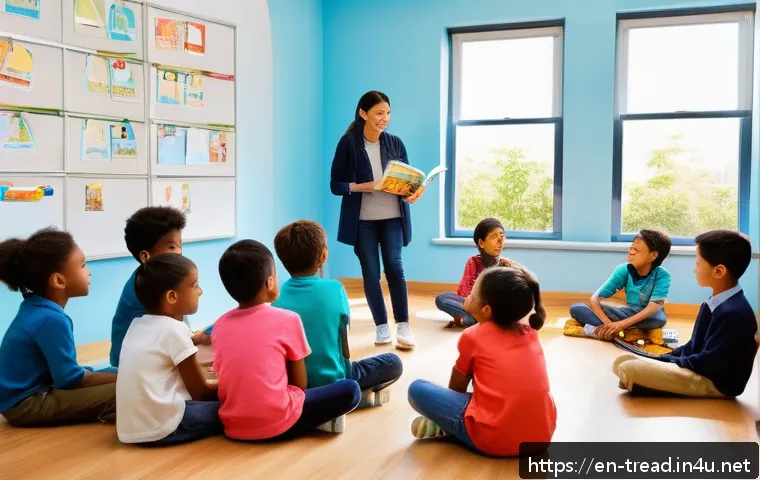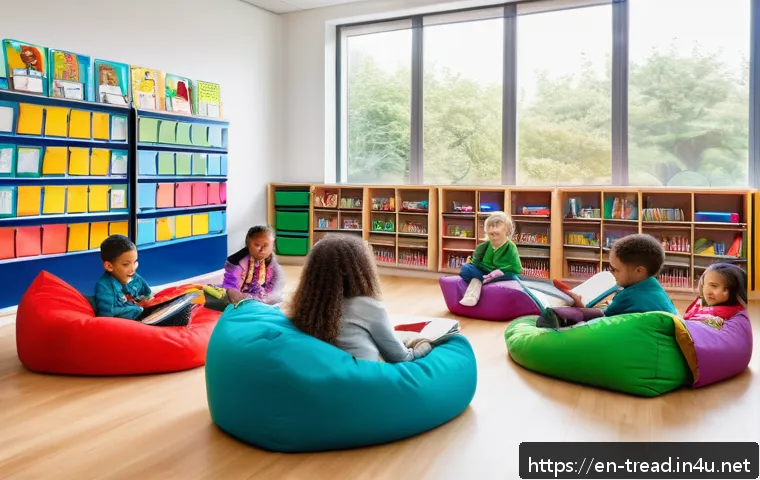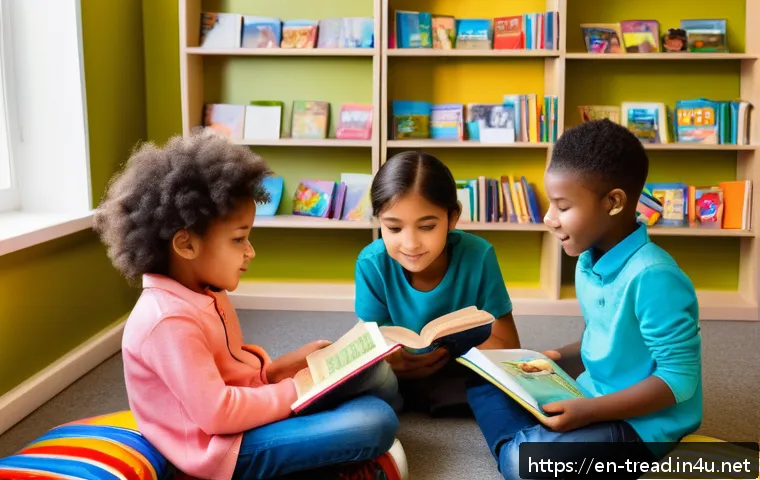
In today’s fast-paced educational landscape, reading coaches play a vital role in shaping confident, lifelong learners. Beyond teaching decoding and comprehension, mastering essential soft skills has become crucial for fostering meaningful connections and motivating students effectively.

With recent shifts toward personalized learning and emotional intelligence in classrooms, understanding these skills can transform the coaching experience.
If you’re ready to elevate your impact and help students thrive, exploring these core competencies is the perfect place to start. Let’s dive into what every reading coach needs to succeed in today’s evolving educational world.
Building Genuine Connections Through Empathy and Active Listening
Understanding Students Beyond Their Reading Level
One thing I’ve learned from working closely with students is that reading struggles rarely exist in isolation. When you take the time to really understand what’s happening in their lives — whether it’s anxiety about school, family changes, or just feeling misunderstood — it changes how you approach coaching.
Instead of focusing solely on phonics or vocabulary drills, you become a partner who acknowledges their whole experience. This empathetic approach builds trust and encourages students to open up, which naturally improves their engagement and willingness to take risks in reading.
Techniques for Active Listening That Transform Sessions
Active listening isn’t just about nodding and saying “uh-huh.” It’s about truly hearing what the student is trying to communicate, both verbally and non-verbally.
In my experience, repeating back what a student has said, asking clarifying questions, and reflecting their feelings can make them feel genuinely heard.
These moments create a safe space where students feel valued, which leads to deeper conversations about their interests and challenges. Over time, this makes your coaching more personalized and impactful.
Creating Rapport with Consistency and Authenticity
Students can tell when you’re being genuine, and that authenticity makes a huge difference. Showing up consistently — on time, prepared, and with a positive attitude — reinforces that you care about their progress.
Small gestures like remembering their favorite books or celebrating small victories can build rapport faster than any scripted lesson plan. I’ve found that when students trust you, they’re more willing to share their thoughts and push through difficult reading tasks.
Encouraging Self-Motivation by Cultivating a Growth Mindset
Helping Students See Mistakes as Learning Opportunities
One of the most powerful shifts I’ve witnessed in students is when they stop fearing mistakes and start viewing them as stepping stones. Encouraging a growth mindset means praising effort, strategy, and persistence rather than just correct answers.
When students feel safe to fail, they become more resilient readers who try new strategies without fear of judgment. I often share my own learning struggles to normalize the process, which seems to help students relax and embrace challenges.
Setting Realistic and Personal Goals Together
Goal-setting can be intimidating if it feels imposed or abstract. Instead, I work with students to set small, achievable goals that matter to them personally — whether it’s finishing a chapter book or reading aloud without frustration.
Collaborating on goals makes students feel ownership of their learning journey. Plus, tracking progress visually, like with charts or stickers, turns abstract goals into tangible milestones that motivate continued effort.
Celebrating Progress to Fuel Continued Engagement
Recognizing progress, no matter how small, builds momentum. I’ve seen that celebrating a student’s growth with positive feedback, verbal encouragement, or even small rewards boosts confidence and reinforces their desire to keep going.
It’s important that celebrations feel sincere and connected to effort rather than just outcomes. This approach nurtures intrinsic motivation, helping students develop a lifelong love of reading.
Adapting Communication Styles to Meet Individual Needs
Recognizing Different Learning and Personality Types
Every student comes with a unique way of processing information and engaging with content. Some are visual learners who respond well to graphic organizers and illustrations, while others prefer auditory or kinesthetic approaches.
Understanding these differences allows you to tailor your coaching style, making sessions more effective and enjoyable. I often experiment with varied techniques until I find what clicks with each student, which keeps them engaged and reduces frustration.
Using Positive Language to Build Confidence
The words we choose as coaches can either lift students up or unintentionally discourage them. I try to frame feedback in a way that highlights strengths first and offers constructive suggestions without sounding critical.
For example, instead of saying “You missed that word,” I might say, “That was a tricky word, but you’re getting better at spotting patterns.” This positive language shifts the focus to progress and effort, encouraging students to keep trying.
Balancing Patience with Encouragement
Patience is a vital skill that reading coaches must master, but it doesn’t mean being passive. It’s about giving students the time they need to process while gently nudging them forward.
I’ve found that combining patience with timely encouragement creates an environment where students feel supported but also motivated to push their limits.
This balance helps prevent frustration on both sides and fosters a more productive learning atmosphere.
Leveraging Emotional Intelligence to Manage Classroom Dynamics
Recognizing and Responding to Emotional Cues
A student’s emotional state can dramatically affect their ability to focus and learn. Learning to read subtle signs like restlessness, withdrawal, or irritability helps you intervene appropriately.
Sometimes a quick check-in or a calming activity can reset the mood and improve readiness to learn. I’ve noticed that students who feel emotionally supported tend to take more risks and stay engaged longer during reading sessions.
Modeling Emotional Regulation and Resilience
Students often mirror the emotional tone set by their coach. Demonstrating how to handle frustration or setbacks calmly shows them healthy ways to cope with challenges.
I share personal anecdotes about overcoming difficulties and practice deep breathing or mindfulness exercises together. This modeling helps students develop their own emotional regulation skills, which are crucial for academic and life success.
Creating a Positive and Safe Learning Environment
The atmosphere in a reading session can make or break a student’s experience. I strive to foster a space where mistakes are expected, curiosity is encouraged, and every student feels respected.
Establishing clear, consistent routines and rules supports this safe environment. When students know what to expect and feel emotionally secure, they’re more likely to focus, participate, and enjoy reading.
Enhancing Collaboration Skills for Working with Families and Educators
Communicating Progress and Challenges Transparently
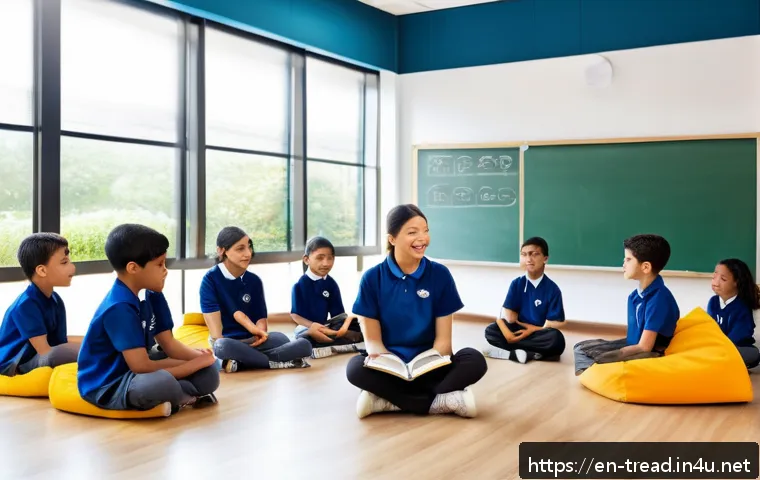
Sharing insights with parents and teachers is crucial for supporting a student’s reading development. I’ve learned that clear, honest communication about progress and challenges builds trust and creates a team approach.
Using specific examples and avoiding jargon helps families understand how they can reinforce learning at home. This collaboration ensures that everyone involved is aligned and working toward common goals.
Building Partnerships That Empower Students
Effective collaboration means more than just updating others — it’s about involving them in decision-making and problem-solving. When families and educators feel heard and valued, they become active partners.
I encourage regular check-ins and invite input on strategies that might work best for the student. This shared ownership often leads to more consistent support and better outcomes.
Managing Conflicts with Diplomacy and Focus on Solutions
Differences in opinion about a student’s needs or progress can arise, but handling these moments with patience and a solution-oriented mindset makes a big difference.
I try to listen carefully to concerns, acknowledge feelings, and work toward compromises that prioritize the student’s well-being. Maintaining professionalism and empathy during these discussions preserves relationships and keeps the focus where it belongs: on helping the student thrive.
Organizing Time and Resources Efficiently for Maximum Impact
Balancing Individualized Coaching with Group Responsibilities
Reading coaches often juggle one-on-one sessions, group activities, and administrative tasks. Managing this workload requires strategic planning and flexibility.
I use calendars and to-do lists religiously to ensure no student falls through the cracks. Prioritizing urgent needs without losing sight of long-term goals helps maintain steady progress across the board.
Curating and Utilizing Effective Reading Materials
Having a diverse collection of books and resources tailored to different reading levels and interests makes coaching more dynamic. I frequently update my library with fresh titles and digital tools that appeal to today’s students.
Using engaging materials not only supports skill development but also sparks curiosity and enjoyment, which are essential for sustained learning.
Tracking Data to Inform Instructional Decisions
Keeping detailed records of assessments, observations, and interventions allows you to make informed choices about next steps. I maintain organized notes and use simple spreadsheets to monitor trends and patterns.
This data-driven approach helps me identify what’s working, what needs adjustment, and how to celebrate growth effectively.
| Soft Skill | Practical Application | Impact on Students |
|---|---|---|
| Empathy & Active Listening | Understanding student context; reflecting feelings | Builds trust and openness, enhancing engagement |
| Growth Mindset Encouragement | Celebrating effort; setting personal goals | Increases resilience and motivation |
| Adaptive Communication | Tailoring language and style; positive feedback | Boosts confidence and reduces frustration |
| Emotional Intelligence | Recognizing cues; modeling regulation | Creates a safe, supportive learning environment |
| Collaborative Skills | Transparent communication; partnership building | Aligns support systems for student success |
| Organizational Efficiency | Time management; resource curation; data tracking | Maximizes coaching effectiveness and progress |
Integrating Technology Mindfully to Support Learning
Choosing Tools That Complement Reading Goals
Technology can be a powerful ally when used thoughtfully. I’ve experimented with apps that enhance phonics practice, interactive ebooks, and platforms that allow students to record and listen to themselves reading.
The key is selecting tools that align with each student’s needs and don’t overwhelm them. When technology feels like a natural extension of learning rather than a distraction, it can boost engagement and provide instant feedback.
Teaching Digital Literacy Alongside Reading Skills
In today’s world, reading isn’t just about paper books. Helping students navigate digital texts, understand hyperlinks, and evaluate online information is part of modern literacy.
I incorporate lessons on how to focus amid digital distractions and critically assess content. This dual focus prepares students not only to read but to thrive in a digital environment.
Maintaining Balance Between Screen Time and Traditional Reading
While digital tools offer many benefits, I’ve found it’s important to balance screen time with hands-on, print-based reading experiences. This prevents burnout and supports different learning modalities.
Encouraging activities like reading aloud, journaling, or book discussions helps deepen comprehension and keeps reading enjoyable in multiple formats.
In Conclusion
Building genuine connections through empathy and active listening transforms the way students engage with reading. By fostering a growth mindset, adapting communication, and leveraging emotional intelligence, coaches create a supportive environment that encourages resilience and curiosity. Combining these skills with effective collaboration, organization, and mindful technology use leads to meaningful progress and lasting motivation in learners.
Helpful Information to Keep in Mind
1. Empathy and active listening help build trust, making students more open and engaged during sessions.
2. Encouraging a growth mindset shifts the focus from fear of mistakes to celebrating effort and persistence.
3. Tailoring communication styles to each student’s needs boosts confidence and reduces frustration.
4. Emotional intelligence allows coaches to create safe learning spaces by recognizing and addressing students’ feelings.
5. Collaborating transparently with families and educators ensures consistent support and better outcomes for students.
Key Takeaways
To maximize the impact of reading coaching, prioritize understanding each student’s unique context and emotions. Use active listening and authentic interactions to build rapport, while encouraging self-motivation through personalized goals and positive reinforcement. Adapt communication to match learning styles and maintain patience with encouragement. Employ emotional intelligence to manage classroom dynamics effectively, and maintain strong partnerships with families and educators. Finally, organize your time and resources carefully, integrating technology thoughtfully to support balanced and engaging learning experiences.
Frequently Asked Questions (FAQ) 📖
Q: uestionsQ1: What are the most important soft skills a reading coach should develop to connect with students effectively?
A: Building strong relationships with students hinges on empathy, active listening, and patience. When a reading coach genuinely understands a student’s struggles and celebrates their progress, it boosts motivation and confidence.
For example, I’ve noticed that when I take time to listen carefully without rushing, students open up more and engage deeply in reading sessions. This emotional connection often leads to better learning outcomes than focusing solely on decoding skills.
Q: How can reading coaches adapt their approach to support personalized learning in today’s classrooms?
A: Personalized learning means recognizing that every student’s reading journey is unique. A coach should assess individual strengths and challenges, then tailor strategies accordingly.
In practice, this might look like offering different types of reading materials or adjusting pacing to match the student’s needs. From my experience, incorporating student interests into reading choices not only enhances engagement but also fosters a genuine love for reading, which is key to lifelong learning.
Q: Why is emotional intelligence crucial for reading coaches, and how can it improve student outcomes?
A: Emotional intelligence helps coaches manage their own emotions while tuning into students’ feelings, creating a safe and supportive environment. When students feel understood and valued, they’re more likely to take risks and persevere through difficult texts.
I’ve seen firsthand that coaches who remain calm and encouraging—even when a student struggles—help build resilience and a positive mindset, which ultimately leads to stronger reading skills and greater academic success.