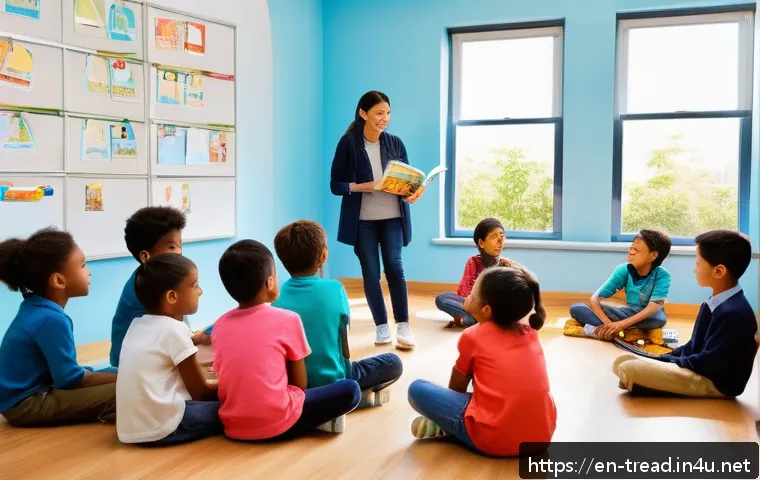
In today’s fast-paced world, unlocking the true potential of readers goes beyond traditional teaching methods. With the rise of personalized learning and cognitive science breakthroughs, literacy coaching is evolving to embrace psychological principles that create deeper, lasting impact.

If you’ve ever wondered how understanding the mind can transform reading skills, you’re in the right place. Let’s explore how these insights not only boost engagement but also empower learners to thrive long after the coaching ends.
Stick around to discover practical strategies that bridge psychology and literacy for meaningful growth.
The Subtle Power of Motivation in Reading Development
Understanding Intrinsic vs. Extrinsic Motivation
Motivation isn’t just a buzzword in education; it’s the fuel that drives learners to engage deeply with reading material. When learners are intrinsically motivated, they read because they find joy or meaning in the text itself.
This internal drive is far more sustainable than extrinsic motivation, which relies on external rewards like grades or praise. From my experience coaching diverse learners, tapping into what personally excites a reader—whether it’s a topic, story, or character—can transform a reluctant reader into an eager explorer of texts.
Recognizing these motivation types helps tailor strategies that ignite a learner’s passion, rather than forcing engagement through pressure or rewards alone.
Creating a Motivational Environment
Motivation thrives in an environment where learners feel safe, supported, and autonomous. When I set up coaching sessions, I focus on fostering a space where learners can choose their reading materials and set their own goals.
This sense of ownership boosts commitment and encourages risk-taking with new vocabulary or complex texts. Additionally, positive feedback that highlights effort rather than just achievement cultivates a growth mindset, reinforcing the idea that reading skills develop through persistence.
This environment becomes a psychological foundation where motivation doesn’t dwindle after coaching ends but continues to inspire lifelong learning.
Recognizing and Overcoming Motivational Barriers
Sometimes motivation is blocked by anxiety, low confidence, or previous negative experiences with reading. I often encounter learners who hesitate to read aloud or avoid challenging texts because they fear failure or judgment.
Addressing these barriers requires patience and empathetic strategies like gradual exposure to difficulty, celebrating small wins, and normalizing mistakes as part of the learning journey.
By acknowledging emotional hurdles, literacy coaching becomes more than skill-building—it becomes a healing process that rebuilds trust in one’s reading abilities.
How Memory Shapes Reading Mastery
The Role of Working Memory in Comprehension
Working memory plays a crucial role when readers juggle multiple pieces of information—words, sentence structure, and context—simultaneously. In my coaching experience, learners with stronger working memory can better connect ideas and remember storylines, which enhances comprehension.
To support those with weaker working memory, I introduce chunking techniques, where complex sentences are broken down into manageable parts. This approach reduces cognitive overload and allows readers to process information more efficiently, resulting in deeper understanding and retention.
Long-Term Memory and Vocabulary Growth
Vocabulary acquisition is not just about memorizing words but embedding them into long-term memory. Repetition over spaced intervals and meaningful use in context are key to this process.
I’ve found that encouraging learners to relate new words to their own experiences or interests helps cement these words in their memory. Flashcards and digital apps can support this, but the real magic happens when learners actively use new vocabulary in writing or conversation.
This active engagement strengthens neural pathways and makes vocabulary more accessible during reading.
Strategies to Enhance Memory Retention
Memory retention can be improved through multisensory learning—combining visual, auditory, and kinesthetic methods. For example, pairing a new word with an image, saying it aloud, and physically writing it down creates stronger memory traces.
I also integrate storytelling and role-play to make reading experiences vivid and memorable. These strategies not only boost retention but also make learning more enjoyable, which ties back to motivation and sustained engagement.
Building Resilience Through Reading Challenges
Normalizing Struggle as Part of Growth
Reading challenges are inevitable, but how learners interpret these struggles shapes their resilience. I emphasize that difficulty is a sign of growth, not failure.
Sharing my own stories of grappling with complex texts or unfamiliar concepts helps demystify the process and humanizes the learning journey. When learners see struggle as a natural step rather than a setback, they develop grit and a willingness to persist despite obstacles.
Teaching Self-Regulation and Coping Skills
Resilience is closely tied to self-regulation—the ability to manage emotions and behaviors during challenging tasks. In coaching sessions, I introduce mindfulness exercises and breathing techniques to help learners calm anxiety before reading difficult passages.
I also guide them in setting realistic goals and breaking tasks into smaller steps, which reduces overwhelm. These coping skills not only support reading development but also empower learners to handle academic and life challenges with greater confidence.
Celebrating Progress and Reflecting on Growth
Acknowledging progress, no matter how small, reinforces resilience. I encourage learners to keep reading journals where they record their challenges and successes.
Reflecting on these entries often reveals patterns of improvement and boosts self-efficacy. Celebrations can be as simple as verbal praise or sharing achievements with peers and family, creating a supportive community that values perseverance.
Engagement Through Personalized Learning Paths
Assessing Individual Interests and Strengths
Personalization is at the heart of effective literacy coaching. I begin by understanding each learner’s interests, background, and strengths through informal conversations and diagnostic assessments.
This insight allows me to recommend books and materials that resonate personally, making reading feel less like a chore and more like an adventure. Recognizing individual preferences also helps in setting achievable goals that align with learners’ motivations.
Adapting Instruction to Learning Styles
People absorb information differently—some prefer visual aids, others benefit from auditory input or hands-on activities. Incorporating varied teaching methods ensures that learners engage fully with reading content.
For instance, pairing a story with illustrations or audio narration can enhance comprehension for visual or auditory learners. In my sessions, mixing formats keeps learners interested and caters to their unique ways of processing information.
Flexible Pacing to Support Confidence
Rushing through reading material can damage confidence, especially for struggling readers. I emphasize pacing that respects each learner’s rhythm, allowing time for reflection and mastery.
This approach reduces frustration and builds a positive reading experience. Flexibility also means revisiting challenging texts multiple times, which solidifies understanding and supports memory retention.
Harnessing the Power of Emotional Connection in Reading
Empathy Through Characters and Stories
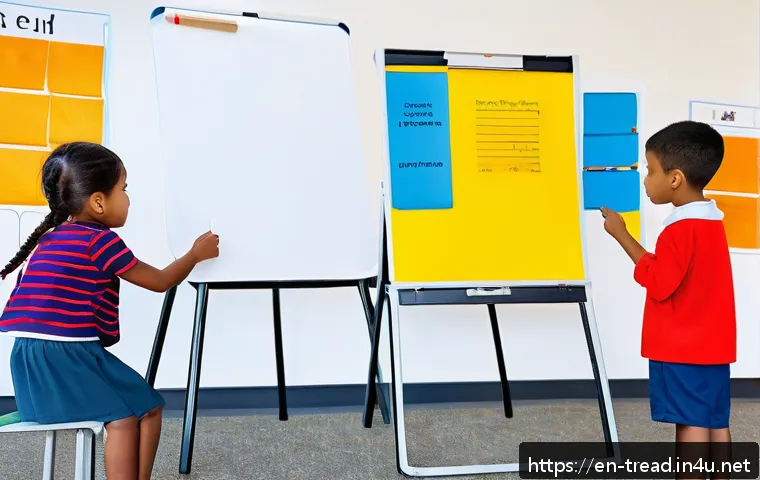
Stories are powerful because they connect us emotionally to characters and situations. When learners empathize with characters, reading becomes a meaningful experience rather than a mechanical task.
I’ve noticed that discussing characters’ feelings and motivations deepens comprehension and encourages learners to relate themes to their own lives. This emotional engagement fosters a love for reading that extends beyond academic requirements.
Using Literature to Explore Identity and Culture
Reading can be a mirror reflecting one’s own identity or a window into different cultures. Including diverse literature helps learners see themselves represented and appreciate others’ experiences.
This cultural connection enhances engagement and broadens perspectives. In coaching, I strive to select texts that celebrate diversity and encourage open discussions about identity, values, and empathy.
Emotional Regulation Through Reading
Reading can also serve as a tool for emotional regulation, offering comfort or distraction during stressful times. I encourage learners to choose books that resonate with their feelings or provide positive escape.
This practice not only supports mental well-being but also builds a habit of turning to reading as a healthy coping mechanism.
Tracking Progress with Data-Driven Insights
Utilizing Formative Assessments
Ongoing assessments provide valuable feedback that informs instructional adjustments. I use a mix of formal and informal methods—quizzes, reading logs, and discussions—to gauge comprehension and fluency.
These insights help identify specific areas needing reinforcement and celebrate areas of strength, creating a balanced picture of learner growth.
Interpreting Data to Personalize Support
Data isn’t just numbers; it tells a story about each learner’s journey. By analyzing patterns, such as frequent mistakes or hesitation with certain genres, I can customize coaching strategies.
For example, a learner struggling with inference may benefit from targeted questioning techniques, while another needing vocabulary support might receive tailored word lists.
Communicating Progress with Stakeholders
Keeping learners and their families informed builds transparency and motivation. I share progress reports in clear, jargon-free language, highlighting achievements and next steps.
This collaborative approach encourages learners to take ownership and families to provide meaningful support at home.
Essential Components of Effective Reading Coaching
| Component | Description | Impact on Learning |
|---|---|---|
| Personalized Goal Setting | Setting specific, achievable reading goals tailored to learner interests and abilities | Increases motivation and provides clear direction for progress |
| Multisensory Instruction | Engaging multiple senses through visuals, audio, and kinesthetic activities | Enhances memory retention and caters to diverse learning styles |
| Emotional Support | Creating a safe, encouraging environment and addressing emotional barriers | Builds resilience and fosters positive attitudes toward reading |
| Formative Assessment | Regular, varied assessments to monitor comprehension and fluency | Informs instruction and tracks learner growth effectively |
| Active Engagement Techniques | Incorporating discussion, reflection, and choice in reading activities | Promotes deeper comprehension and sustained interest |
Leveraging Technology to Enhance Literacy Coaching
Interactive Reading Platforms
Technology has revolutionized how we engage learners with reading. Interactive platforms offer instant feedback, gamified elements, and adaptive difficulty levels, making reading practice fun and personalized.
I’ve seen learners who were previously disengaged become motivated when using apps that track progress and reward effort. These tools also provide coaches with detailed data to tailor instruction more precisely.
Virtual Coaching and Flexibility
Virtual literacy coaching breaks geographical barriers and offers flexible scheduling, which is invaluable for busy learners and families. Through video calls and screen sharing, I can provide real-time guidance and maintain rapport despite distance.
This accessibility increases consistency in coaching, a critical factor in sustained improvement.
Balancing Screen Time and Traditional Reading
While technology offers many benefits, balancing digital and physical reading experiences is important. I encourage learners to complement screen reading with printed books to reduce eye strain and cultivate tactile engagement with texts.
This balance also helps maintain focus and deep processing, which are sometimes compromised during prolonged digital exposure.
Conclusion
Motivation, memory, resilience, personalization, emotional connection, and data-driven insights all play vital roles in effective reading development. Integrating these elements creates a holistic approach that nurtures not only skills but also a lifelong love for reading. By embracing each learner’s unique journey, coaches can foster confident, engaged readers ready to thrive in any context.
Helpful Information
1. Motivation is most effective when it stems from personal interests and intrinsic enjoyment rather than external rewards.
2. Creating a supportive and autonomous learning environment encourages risk-taking and growth mindset development.
3. Memory strategies like chunking and multisensory learning improve comprehension and vocabulary retention.
4. Recognizing struggles as natural helps build resilience and self-regulation skills essential for sustained reading success.
5. Leveraging technology thoughtfully can enhance engagement but should be balanced with traditional reading practices to maximize benefits.
Key Takeaways
Effective reading coaching combines personalized goal setting, multisensory instruction, emotional support, ongoing assessment, and active engagement. This comprehensive approach addresses both cognitive and emotional factors, ensuring learners not only improve their reading skills but also develop confidence and a genuine passion for reading that lasts a lifetime.
Frequently Asked Questions (FAQ) 📖
Q: uestionsQ1: How does incorporating psychological principles enhance literacy coaching?
A: Integrating psychological insights into literacy coaching helps tailor learning experiences to how the brain processes information. For example, understanding motivation and attention spans allows coaches to design sessions that keep learners engaged longer and reduce frustration.
I’ve seen firsthand that when coaches use techniques like positive reinforcement and mindset shifts, learners not only improve their reading skills faster but also develop confidence and a love for reading that lasts well beyond the coaching period.
Q: What practical strategies can I use to apply cognitive science in improving reading skills?
A: One effective approach is breaking down reading tasks into manageable chunks to avoid cognitive overload. Techniques such as spaced repetition, where learners revisit material over increasing intervals, help solidify memory.
Additionally, encouraging active reading—like asking questions or summarizing passages—boosts comprehension. From my experience, combining these with personalized feedback creates a powerful loop that promotes deeper understanding and retention.
Q: Can personalized learning really make a difference in literacy development compared to traditional methods?
A: Absolutely. Personalized learning adapts to each learner’s unique strengths, weaknesses, and interests, unlike one-size-fits-all approaches. This customization not only accelerates progress but also fosters intrinsic motivation.
I remember working with a learner who struggled with standard reading programs but thrived when coaching focused on their favorite topics and learning pace.
This individualized attention made the process feel less like a chore and more like an exciting discovery, leading to remarkable improvements.