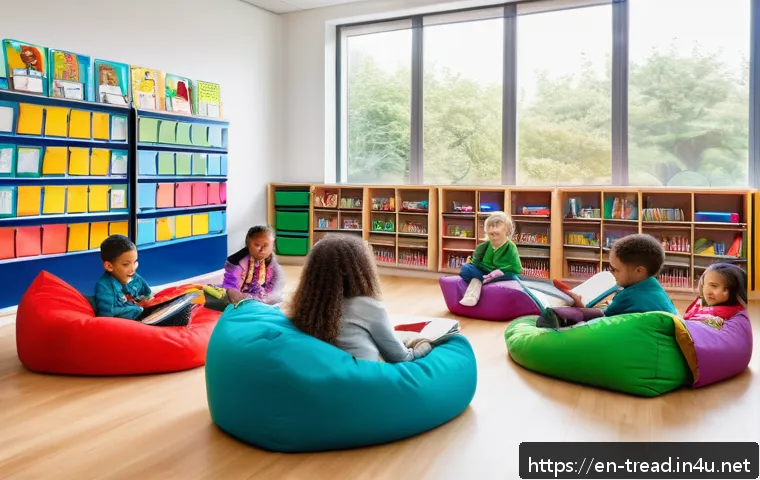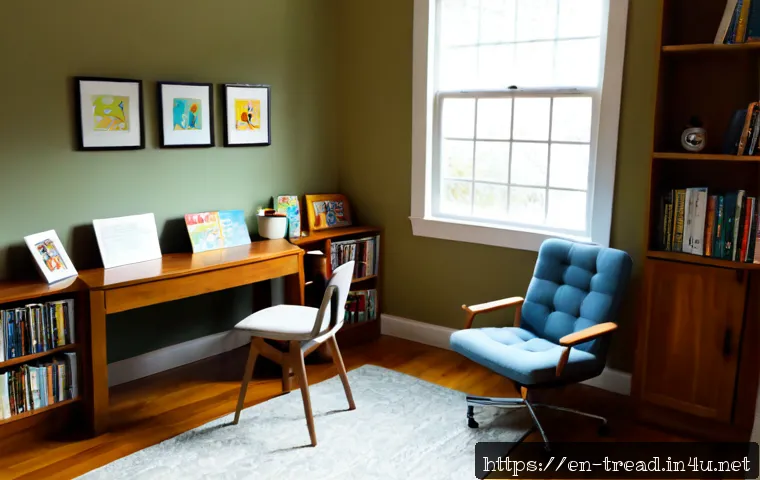
A productive reading tutor space does not need to be large or expensive; it needs a comfortable seat, a usable work surface, clear lighting, and fewer distractions.
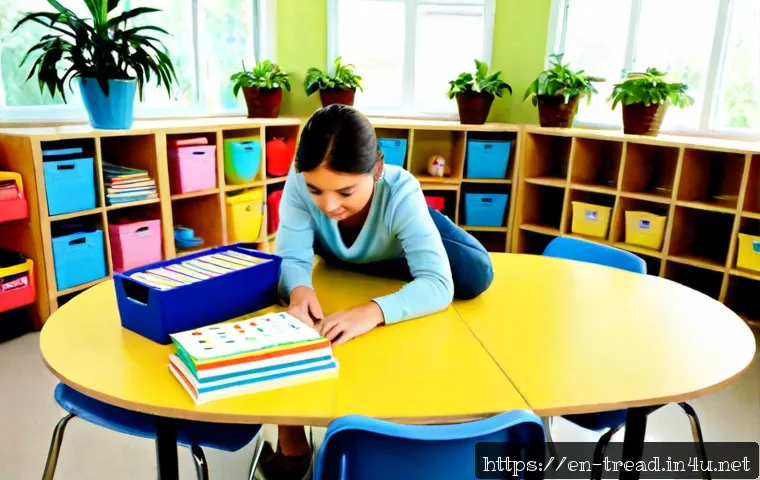
Start with these essentials, then add storage, adjustable furniture, or specialist literacy materials only when they improve the lesson flow. The best setup depends on the learner’s age, sensory preferences, reading activities, and whether lessons are held in person or online.
A small table may suit hands-on word games, while a desk can work well for writing-heavy sessions. Before comparing tutoring furniture or home classroom supplies, consider how you will move, store materials, and reset the area between lessons.
This approach helps parents and tutors choose practical learning-space upgrades without filling the room with unnecessary items.
At a Glance
- Start with comfortable seating, clear lighting, a stable work surface, and a simple material-storage system.
- Choose furniture based on lesson activities, available space, and the learner’s needs—not appearance alone.
- Test the layout with real reading, writing, and game activities before buying larger upgrades.
| Setup Level | Best For | Core Components | What to Check Before Choosing |
|---|---|---|---|
| Budget-focused | Starting a home tutoring corner or occasional one-to-one sessions | Existing table, supportive chair, basic lamp, portable bin or basket | Table stability, readable lighting, enough room for books and writing materials |
| Mid-range | Regular tutoring sessions with varied literacy activities | Dedicated work table, adjustable chair, task lighting, labeled storage, book display | Comfort during longer lessons, easy cleanup, accessible materials, tutor movement |
| Upgraded | Small groups, hybrid tutoring, or a dedicated teaching room | Flexible seating, zoned storage, camera-friendly background, larger work surfaces | Room flow, visual distraction, cable management, changing learner needs |
What a Productive Reading Instruction Space Needs Most
The strongest reading instruction space supports attention without making the room feel strict or crowded. Focus first on visibility, comfort, and low distraction. A learner should be able to see the text, sit in a reasonably comfortable position, and reach needed materials without leaving the lesson repeatedly.
The Three Priorities: Visibility, Comfort, and Low Distraction
Visibility means more than having a bright room. The reading material, writing area, and tutor’s demonstration space should be easy to see without glare. Place a reading lamp so its light supports the page rather than reflecting directly into the learner’s eyes or onto a screen.
Comfort helps learners stay with a reading task longer. Choose a chair that feels stable and lets the learner use the table without excessive reaching or hunching. Seating does not need to be elaborate, but it should not become the main problem during a lesson.
Low distraction means reducing visual and sound interruptions near the work area. A few useful alphabet charts, vocabulary prompts, or visual schedules can support instruction. Too many posters, toys, open bins, or decorative objects can compete with the book and the tutor’s directions.
A Minimum Setup for Starting Without Overspending
A practical minimum setup includes a table or desk, two suitable seats, a light source that makes print easy to see, basic writing tools, a small selection of reading materials, and one container for supplies. This is enough to begin testing lesson routines.
Use a portable caddy, drawer unit, basket, or shelf for tutoring supplies such as pencils, markers, blank paper, word cards, and reading games. Keep only the materials for the current session on the table. This simple habit creates more usable space than buying additional furniture too soon.
If you are comparing educational furniture or home classroom organization products, start with items that solve a specific problem: poor posture, dim lighting, scattered books, or a cramped work surface. A purchase is more useful when it removes friction from the lesson.
Compare the Core Setup Choices Before You Buy
Reading tutor setups work best when each component supports the actual teaching routine. Consider whether your lessons involve shared reading, phonics activities, writing practice, manipulatives, or online screen sharing. The right choice is usually the one that makes transitions easier.
Desk Versus Small Table: Matching the Surface to Lesson Activities
A desk can be a sensible choice when sessions involve worksheets, writing, a laptop, or organized drawers. It may also help create a more defined study routine. However, some desks can feel narrow when both tutor and learner need open books, letter tiles, flashcards, or a writing board.
A small table often offers more flexibility for face-to-face teaching. It can work especially well for shared reading, word-building games, and activities that require materials to be spread out briefly. Check whether the tutor can sit or stand comfortably beside the learner without blocking access.
Before choosing a tutoring table, consider where books, a lamp, and a device will sit during a typical lesson. A surface that appears large enough when empty may feel crowded once reading materials are in use.
Adjustable Seating, Reading Lamps, and Storage: What Is Worth Paying More For
Some upgrades can add value because they improve comfort or reduce repeated setup work. Adjustable seating may be worth considering when different learners use the same space or when a child’s position at the table is clearly uncomfortable. Test stability and ease of adjustment rather than choosing based on style.
A dedicated reading lamp can be useful when overhead light is uneven, when lessons happen at different times of day, or when the work area is away from natural light. Look for a lamp that can be positioned toward the page without taking up too much table space.
Storage is often a worthwhile upgrade when materials are used frequently. Labeled bins, a bookcase, a rolling cart, or closed drawers can make reset time easier. Open storage makes selection quick, while closed storage can reduce visual clutter. The better option depends on how much the learner is distracted by visible materials.
Budget, Mid-Range, and Upgrade Options for a Tutoring Corner
A budget-focused space can use existing furniture and a small set of well-organized literacy materials. Add a basic reading light and a portable supply container if those solve immediate problems. This approach is useful when the available room may change later.
A mid-range setup may include a dedicated table, a more supportive chair, book storage, and a consistent place for writing and reading tools. It suits tutors who teach regularly and need materials to remain organized between sessions.
An upgraded tutoring corner may include flexible seating, separate activity zones, a larger storage system, and equipment for online lessons. These additions are most useful when the space serves multiple learners or formats. Review product dimensions, assembly needs, material safety information, and local requirements before purchasing.
Arrange the Room for Smooth, Focused Lessons
A good layout supports smooth transitions. The tutor should be able to move from reading to writing, games, and book selection without searching through piles or rearranging furniture during the session.
Create Clear Zones for Reading, Writing, Games, and Book Selection
You do not need separate rooms for every activity. Even a small area can have simple zones: one place to sit and read, one surface for writing, one container for games or manipulatives, and one shelf or basket for book selection.
Place the main table where the tutor can see the learner’s work and reach materials easily. Keep active games or hands-on materials slightly away from the reading surface until they are needed. This reduces the temptation to switch tasks before an activity is complete.
Manage Glare, Noise, Cords, and Visual Clutter
Check the room at the learner’s eye level. Window glare, shiny tablet screens, and bright lights behind the tutor can make reading harder. Moving the table or changing the direction of a lamp may be enough to improve the setup.
Noise can also interrupt literacy instruction. Choose the quietest practical location, close doors when appropriate, and avoid placing the learning area beside a television or busy household pathway. For online tutoring, keep device cords secured and out of walkways.
Visual clutter matters because learners may look toward whatever is most noticeable. Keep visual supports purposeful. Rotate displays when they are no longer part of the current teaching focus.
Keep Frequently Used Materials Within Reach Without Overcrowding the Table
A tutor should be able to reach everyday supplies without leaving the learner alone at the table. A nearby cart, shallow drawer, or labeled bin can hold pencils, paper, bookmarks, word cards, and selected literacy games.
Use the table for the lesson, not long-term storage. At the end of each session, return unused materials to their place. A quick reset protects the next lesson from beginning in a cluttered environment.
Adapt the Setup for Different Learners and Teaching Formats

There is no single best reading tutor room. Adjust the setup according to the learner’s age, movement needs, reading level, sensory preferences, and the lesson format.
One-to-One Reading Support at Home
For one-to-one sessions, a small table or desk arrangement can be enough. Sit at an angle that allows both tutor and learner to see the same book without crowding each other. Keep a short list of current materials nearby, then store the rest out of sight.
A home setting may need to serve other purposes outside tutoring hours. Portable storage and foldable or movable components can make the space easier to share.
Small-Group Literacy Sessions
Small groups need clearer traffic flow and more deliberate material organization. Make sure learners can enter, sit down, and access supplies without crossing through the main teaching area. A larger table or several flexible surfaces may help, but avoid adding furniture that prevents the tutor from moving around the group.
Prepare one set of materials per activity when possible, and designate a return spot for completed work. This keeps transition time from taking over the lesson.
Hybrid or Online Tutoring With a Camera-Friendly Background
For online lessons, prioritize a stable device position, readable lighting, and a background that looks calm rather than empty or distracting. Place the main light in front of or beside the tutor when possible, not directly behind them.
Keep frequently used teaching materials close enough to show on camera. If you use a document camera, whiteboard, or screen-sharing setup, test the viewing angle before a live lesson. Check audio, camera framing, and internet reliability in the actual teaching location.
Avoid Common Learning-Space Design Mistakes
Many tutoring spaces become less effective not because they lack supplies, but because the setup creates avoidable obstacles. A few practical checks can prevent expensive or frustrating changes later.
Buying Too Much Furniture Before Testing the Lesson Flow
Large desks, shelving systems, and specialty educational furniture may look useful, but they can limit flexibility in a small room. Begin with a minimum functional setup and observe where problems occur. Upgrade only after you know whether the issue is seating, lighting, storage, or available workspace.
Using Distracting Décor Instead of Functional Visual Supports
Décor should not compete with instruction. Choose visual supports that have a clear teaching purpose, such as a simple routine card, current vocabulary display, or writing reminder. Store decorative or seasonal items away if they make it harder for the learner to focus.
Ignoring Posture, Lighting, and Storage Reset Time Between Sessions
A learner who is constantly shifting position, squinting at text, or reaching across a crowded table may have less attention available for reading. Check posture and lighting during a real lesson rather than only when the room is empty.
Also consider reset time. If every session ends with loose books, games, and papers piled on the table, the storage system is probably too complicated or too far away. Simplify the return process with fewer categories and clearly designated spaces.
Selection Criteria and Comparison Summary
Before choosing tutoring furniture, reading lamps, storage tools, or literacy materials, use these decision prompts:
- Does the seating support a comfortable position for the learner and tutor?
- Can both people see the book, writing area, and teaching materials without glare?
- Is the work surface large enough for your most common lesson activity?
- Can frequently used supplies be reached quickly and put away easily?
- Will the layout still work if the learner’s needs, lesson format, or available room changes?
- Does the item solve a real lesson-flow problem rather than simply filling space?
Choose comfort, lighting, work surface, and organization before decorative upgrades. Premium furniture or specialist literacy materials may add value when they improve access, flexibility, or consistent instruction. For dimensions, materials, features, and current conditions, review the details on the relevant product or supplier page before purchasing.
Final Thoughts
A well-planned reading tutor space helps lessons feel calmer and more predictable. Start small, keep the main work area clear, and notice what interrupts concentration during real sessions. The most useful improvements are usually the ones that make reading materials easier to see, supplies easier to reach, and seating more comfortable. As the tutoring routine develops, adjust the space based on what the learner and instructor actually use.
Useful Things to Know
Flexible storage is often helpful in shared rooms because it can move when the space has another purpose.
Visible does not always mean accessible. A book display can encourage selection, but too many choices may distract some learners.
Test before upgrading. A short trial with the intended furniture placement can reveal glare, crowding, or movement issues early.
Important Notes
Appropriate furniture, lighting, materials, and room arrangements depend on the learner’s age, sensory needs, reading level, available space, and local safety requirements. Confirm product dimensions, stability, care instructions, electrical requirements, and current prices before buying. This guide provides general setup guidance and is not a substitute for individual educational, accessibility, or safety advice.
Frequently Asked Questions
Q1. What are the most important items for a reading tutor’s learning space?
A1. Start with comfortable seating, a stable work surface, clear lighting, basic reading and writing materials, and simple storage. These essentials support most one-to-one reading lessons without requiring a dedicated classroom.
Q2. How much should I budget for a small home tutoring setup?
A2. The budget depends on what you already have, the room size, and the type of lessons you teach. Begin by using suitable existing furniture, then prioritize purchases that solve clear issues such as poor lighting, uncomfortable seating, or disorganized materials. Check current prices and product requirements before deciding.
Q3. Is a dedicated reading corner better than teaching at a kitchen table?
A3. A dedicated corner can reduce distractions and make materials easier to organize, but a kitchen table can work well if it is quiet, adequately lit, and cleared for the lesson. The better choice is the location that supports focus, comfort, and a consistent routine.