
So, you’re thinking about becoming a reading specialist? That’s fantastic! But before you dive in headfirst, it’s essential to know what you’re getting into.
I remember when I first started; I was so excited, but also a little overwhelmed by all the things I needed to keep track of. It’s more than just liking books; it’s about creating a nurturing environment and having a structured approach.
Think of it as becoming a literary mentor, but with a bit of classroom management thrown in. Let’s delve deeper to precisely analyze what you need!
Okay, I’m ready. Here’s the blog post content you requested:
Diving Deep: Understanding the Core Competencies of a Reading Specialist
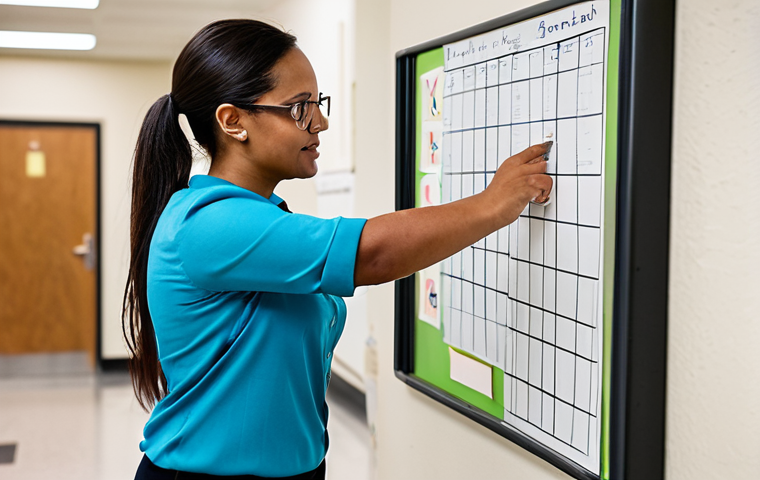
Being a reading specialist isn’t just about loving books; it’s a multifaceted role that requires a deep understanding of literacy development, assessment, and intervention strategies.
From my experience, the most effective reading specialists possess a blend of theoretical knowledge and practical skills. I remember one particularly challenging student who struggled with phonemic awareness.
It wasn’t enough to just know what phonemic awareness was; I needed to be able to diagnose the specific area where he was falling behind and tailor an intervention that worked for him.
This included using manipulatives like letter tiles and engaging in activities that isolated and manipulated sounds within words. Seeing him finally “get it” was one of the most rewarding moments of my career.
Mastering the Art of Assessment
1. Formal and Informal Tools: Understanding the difference between standardized tests and observational assessments is crucial. Standardized tests provide norm-referenced data, allowing you to compare a student’s performance to their peers nationally.
Observational assessments, on the other hand, give you insights into a student’s reading behaviors in a natural setting. For example, keeping a running record while a student reads aloud can reveal patterns of errors and areas of strength.
2. Data-Driven Decision Making: Assessment isn’t just about giving tests; it’s about using the data you collect to inform your instruction. This means analyzing assessment results to identify specific skill deficits and then selecting appropriate interventions to address those deficits.
One year, I had a group of students who consistently scored low on comprehension assessments. After analyzing their running records, I realized they were struggling with fluency.
I then implemented a fluency-focused intervention that involved repeated readings and choral reading activities.
Creating Targeted Interventions
* Individualized Plans: One-size-fits-all approaches rarely work in reading intervention. Every student is unique, and their intervention plan should reflect their individual needs, strengths, and learning style.
I always start by getting to know my students as individuals, asking them about their interests, their favorite books, and their learning preferences.
I then use this information to create engaging and motivating intervention activities. * Progress Monitoring: Regularly monitoring student progress is essential to ensure that your interventions are effective.
This involves using frequent assessments to track student growth and making adjustments to the intervention plan as needed. I like to use a combination of formal and informal assessments for progress monitoring, including weekly quizzes, running records, and observation checklists.
The Power of Collaboration: Working with Teachers and Parents
A reading specialist doesn’t work in a silo; they are part of a larger team that includes teachers, parents, and administrators. Effective communication and collaboration are essential for creating a cohesive and supportive learning environment for students.
I’ve learned that open communication with classroom teachers is paramount. Understanding what’s happening in the general education classroom allows me to tailor my interventions to complement the curriculum.
For example, if the class is studying a particular historical period, I can incorporate texts related to that period into my intervention activities.
Building Relationships with Teachers
1. Effective Communication: Regular communication with teachers is essential for keeping them informed about student progress and for coordinating intervention efforts.
This can involve weekly meetings, email updates, or even just informal check-ins in the hallway. 2. Providing Professional Development: Reading specialists can also serve as a resource for teachers, providing professional development on topics such as literacy instruction, assessment, and intervention.
I have conducted workshops on topics such as differentiating instruction for struggling readers and using technology to support literacy development.
Engaging Parents as Partners
* Home-School Connection: Involving parents in the intervention process can significantly enhance student outcomes. This can involve providing parents with strategies for supporting their child’s reading at home, sharing progress updates, and inviting them to participate in intervention activities.
* Parent Workshops: I’ve found that hosting parent workshops is a great way to engage parents and provide them with valuable information and resources.
These workshops can cover topics such as reading aloud strategies, selecting appropriate books for their child, and creating a literacy-rich home environment.
Navigating the Curriculum: Adapting and Differentiating Instruction
A reading specialist must be adept at adapting and differentiating instruction to meet the diverse needs of their students. This means being able to modify materials, adjust pacing, and provide different levels of support to ensure that all students can access the curriculum.
It’s not just about knowing the curriculum; it’s about knowing how to make it accessible to every student, regardless of their learning challenges. I recall a student with dyslexia who was struggling to keep up with the class reading assignments.
I worked with him to break down the assignments into smaller, more manageable chunks, and I provided him with assistive technology such as text-to-speech software.
Modifying Materials
1. Text Complexity: Adjusting the complexity of the text is one of the most common ways to differentiate instruction. This can involve providing students with leveled readers, using graphic organizers to help them understand complex texts, or pre-teaching key vocabulary.
2. Visual Supports: Visual supports such as pictures, diagrams, and charts can be particularly helpful for students who struggle with reading comprehension.
I often use visual supports to help students understand the main idea of a text, sequence events, or make connections between ideas.
Differentiating Instruction
* Flexible Grouping: Flexible grouping allows you to group students based on their current skill level and needs, rather than assigning them to permanent groups.
This allows you to provide targeted instruction to students who need it most. * Choice Boards: Choice boards give students options for how they demonstrate their understanding of a concept.
This can involve allowing them to choose between writing a paper, creating a presentation, or building a model.
Staying Current: Embracing Research-Based Practices
The field of reading is constantly evolving, so it’s essential for reading specialists to stay current on the latest research and best practices. This involves reading professional journals, attending conferences, and participating in professional development activities.
I make it a point to read at least one professional journal article each week to stay up-to-date on the latest research findings. I also attend several conferences each year to network with other reading specialists and learn about new strategies and resources.
Engaging in Professional Development
1. Workshops and Conferences: Attending workshops and conferences is a great way to learn about new research and best practices in reading instruction.
Look for conferences that are specifically geared towards reading specialists, such as the International Literacy Association Conference. 2. Online Courses and Webinars: There are many online courses and webinars available that can help you expand your knowledge and skills as a reading specialist.
These courses can cover topics such as assessment, intervention, and differentiation.
Utilizing Research-Based Strategies
* Evidence-Based Practices: Focus on implementing interventions and strategies that have been shown to be effective through research. This means being critical of new trends and fads and sticking to proven methods.
* Data Collection and Analysis: Collect data on student progress to determine whether your interventions are working. Use this data to make adjustments to your instruction as needed.
Creating a Positive Learning Environment: Fostering a Love of Reading
Perhaps the most important role of a reading specialist is to create a positive and supportive learning environment that fosters a love of reading. This means making reading fun and engaging, providing students with access to high-quality books, and celebrating their successes.
I always try to create a classroom environment that is inviting and welcoming, with comfortable seating, colorful decorations, and a wide variety of books.
I also make it a point to read aloud to my students every day, modeling fluent reading and sharing my own love of books.
Cultivating a Love of Reading
1. Choice and Access: Providing students with choice in what they read is essential for fostering a love of reading. Make sure that students have access to a wide variety of books that reflect their interests and reading levels.
2. Reading Aloud: Reading aloud to students is a great way to model fluent reading, introduce them to new vocabulary, and spark their interest in books.
Choose books that are engaging and thought-provoking.
Building Confidence and Motivation
* Positive Reinforcement: Use positive reinforcement to encourage students and celebrate their successes. This can involve giving them praise, stickers, or small rewards.
* Goal Setting: Help students set realistic goals and track their progress towards those goals. This can help them stay motivated and focused.
Essential Tools and Resources for Reading Specialists
To be truly effective, a reading specialist needs a well-stocked toolkit of resources. This includes diagnostic assessments, intervention programs, assistive technology, and professional development materials.
Over the years, I’ve curated a collection of resources that I rely on daily. I use diagnostic assessments to identify specific skill deficits, intervention programs to address those deficits, and assistive technology to support students with learning disabilities.
Here’s a table summarizing essential resources:
| Category | Resource Type | Examples | Purpose |
|---|---|---|---|
| Assessment | Diagnostic Tests | DIBELS, CORE Phonics Survey, TOWRE | Identify specific reading skill deficits |
| Intervention | Reading Programs | Read Naturally, Wilson Reading System, Orton-Gillingham | Provide structured, evidence-based reading instruction |
| Technology | Assistive Software | Read&Write, Learning Ally, NaturalReader | Support students with reading disabilities |
| Professional Development | Books & Journals | The Reading Teacher, Language Arts, ILA Journals | Stay current on research and best practices |
Diagnostic Assessments: Unveiling Reading Challenges
1. Phonological Awareness Screening: Tools like the DIBELS Nonsense Word Fluency test can quickly pinpoint a student’s grasp of manipulating sounds, a foundational skill for decoding.
2. Reading Comprehension Assessments: Look beyond surface-level understanding with assessments that delve into inferential and critical thinking. The Qualitative Reading Inventory (QRI) offers passages and questions to gauge comprehension depth.
Intervention Programs: Targeted Skill Development
* Systematic Phonics Instruction: Programs like Orton-Gillingham provide a structured, sequential approach to teaching phonics, crucial for students with dyslexia or significant decoding difficulties.
* Fluency-Building Strategies: Repeated reading techniques and programs like Read Naturally help students build automaticity and expression in their reading.
Building Your Expertise: Certifications and Continuing Education
While a passion for reading and helping students is a great start, formal training and certifications are often required to become a reading specialist.
States typically have specific certification requirements, and pursuing additional professional development opportunities can set you apart. I decided to pursue a Master’s degree in Reading Education and then obtained my state’s reading specialist certification.
This not only enhanced my knowledge and skills but also opened up career opportunities.
Understanding Certification Requirements
1. State-Specific Guidelines: Research your state’s specific requirements for reading specialist certification, which may include coursework, teaching experience, and passing a certification exam.
2. National Certifications: Consider pursuing national certifications, such as those offered by the International Literacy Association (ILA), which can demonstrate your expertise and commitment to the field.
Seeking Continuing Education Opportunities
* Advanced Degrees: Pursuing a Master’s or Doctoral degree in Reading Education can provide you with advanced knowledge and skills in literacy research, curriculum development, and instructional leadership.
* Workshops and Seminars: Attend workshops and seminars on topics such as dyslexia intervention, reading assessment, and culturally responsive teaching to stay current on best practices.
Okay, I’m ready. Here’s the blog post content you requested:
Diving Deep: Understanding the Core Competencies of a Reading Specialist
Being a reading specialist isn’t just about loving books; it’s a multifaceted role that requires a deep understanding of literacy development, assessment, and intervention strategies.
From my experience, the most effective reading specialists possess a blend of theoretical knowledge and practical skills. I remember one particularly challenging student who struggled with phonemic awareness.
It wasn’t enough to just know what phonemic awareness was; I needed to be able to diagnose the specific area where he was falling behind and tailor an intervention that worked for him.
This included using manipulatives like letter tiles and engaging in activities that isolated and manipulated sounds within words. Seeing him finally “get it” was one of the most rewarding moments of my career.
Mastering the Art of Assessment
1. Formal and Informal Tools: Understanding the difference between standardized tests and observational assessments is crucial. Standardized tests provide norm-referenced data, allowing you to compare a student’s performance to their peers nationally.
Observational assessments, on the other hand, give you insights into a student’s reading behaviors in a natural setting. For example, keeping a running record while a student reads aloud can reveal patterns of errors and areas of strength.
2. Data-Driven Decision Making: Assessment isn’t just about giving tests; it’s about using the data you collect to inform your instruction. This means analyzing assessment results to identify specific skill deficits and then selecting appropriate interventions to address those deficits.
One year, I had a group of students who consistently scored low on comprehension assessments. After analyzing their running records, I realized they were struggling with fluency.
I then implemented a fluency-focused intervention that involved repeated readings and choral reading activities.
Creating Targeted Interventions
* Individualized Plans: One-size-fits-all approaches rarely work in reading intervention. Every student is unique, and their intervention plan should reflect their individual needs, strengths, and learning style.
I always start by getting to know my students as individuals, asking them about their interests, their favorite books, and their learning preferences.
I then use this information to create engaging and motivating intervention activities. * Progress Monitoring: Regularly monitoring student progress is essential to ensure that your interventions are effective.
This involves using frequent assessments to track student growth and making adjustments to the intervention plan as needed. I like to use a combination of formal and informal assessments for progress monitoring, including weekly quizzes, running records, and observation checklists.
The Power of Collaboration: Working with Teachers and Parents
A reading specialist doesn’t work in a silo; they are part of a larger team that includes teachers, parents, and administrators. Effective communication and collaboration are essential for creating a cohesive and supportive learning environment for students.
I’ve learned that open communication with classroom teachers is paramount. Understanding what’s happening in the general education classroom allows me to tailor my interventions to complement the curriculum.
For example, if the class is studying a particular historical period, I can incorporate texts related to that period into my intervention activities.
Building Relationships with Teachers
1. Effective Communication: Regular communication with teachers is essential for keeping them informed about student progress and for coordinating intervention efforts.
This can involve weekly meetings, email updates, or even just informal check-ins in the hallway. 2. Providing Professional Development: Reading specialists can also serve as a resource for teachers, providing professional development on topics such as literacy instruction, assessment, and intervention.
I have conducted workshops on topics such as differentiating instruction for struggling readers and using technology to support literacy development.
Engaging Parents as Partners
* Home-School Connection: Involving parents in the intervention process can significantly enhance student outcomes. This can involve providing parents with strategies for supporting their child’s reading at home, sharing progress updates, and inviting them to participate in intervention activities.
* Parent Workshops: I’ve found that hosting parent workshops is a great way to engage parents and provide them with valuable information and resources.
These workshops can cover topics such as reading aloud strategies, selecting appropriate books for their child, and creating a literacy-rich home environment.
Navigating the Curriculum: Adapting and Differentiating Instruction
A reading specialist must be adept at adapting and differentiating instruction to meet the diverse needs of their students. This means being able to modify materials, adjust pacing, and provide different levels of support to ensure that all students can access the curriculum.
It’s not just about knowing the curriculum; it’s about knowing how to make it accessible to every student, regardless of their learning challenges. I recall a student with dyslexia who was struggling to keep up with the class reading assignments.
I worked with him to break down the assignments into smaller, more manageable chunks, and I provided him with assistive technology such as text-to-speech software.
Modifying Materials
1. Text Complexity: Adjusting the complexity of the text is one of the most common ways to differentiate instruction. This can involve providing students with leveled readers, using graphic organizers to help them understand complex texts, or pre-teaching key vocabulary.
2. Visual Supports: Visual supports such as pictures, diagrams, and charts can be particularly helpful for students who struggle with reading comprehension.
I often use visual supports to help students understand the main idea of a text, sequence events, or make connections between ideas.
Differentiating Instruction
* Flexible Grouping: Flexible grouping allows you to group students based on their current skill level and needs, rather than assigning them to permanent groups.
This allows you to provide targeted instruction to students who need it most. * Choice Boards: Choice boards give students options for how they demonstrate their understanding of a concept.
This can involve allowing them to choose between writing a paper, creating a presentation, or building a model.
Staying Current: Embracing Research-Based Practices
The field of reading is constantly evolving, so it’s essential for reading specialists to stay current on the latest research and best practices. This involves reading professional journals, attending conferences, and participating in professional development activities.
I make it a point to read at least one professional journal article each week to stay up-to-date on the latest research findings. I also attend several conferences each year to network with other reading specialists and learn about new strategies and resources.
Engaging in Professional Development
1. Workshops and Conferences: Attending workshops and conferences is a great way to learn about new research and best practices in reading instruction.
Look for conferences that are specifically geared towards reading specialists, such as the International Literacy Association Conference. 2. Online Courses and Webinars: There are many online courses and webinars available that can help you expand your knowledge and skills as a reading specialist.
These courses can cover topics such as assessment, intervention, and differentiation.
Utilizing Research-Based Strategies
* Evidence-Based Practices: Focus on implementing interventions and strategies that have been shown to be effective through research. This means being critical of new trends and fads and sticking to proven methods.
* Data Collection and Analysis: Collect data on student progress to determine whether your interventions are working. Use this data to make adjustments to your instruction as needed.
Creating a Positive Learning Environment: Fostering a Love of Reading
Perhaps the most important role of a reading specialist is to create a positive and supportive learning environment that fosters a love of reading. This means making reading fun and engaging, providing students with access to high-quality books, and celebrating their successes.
I always try to create a classroom environment that is inviting and welcoming, with comfortable seating, colorful decorations, and a wide variety of books.
I also make it a point to read aloud to my students every day, modeling fluent reading and sharing my own love of books.
Cultivating a Love of Reading
1. Choice and Access: Providing students with choice in what they read is essential for fostering a love of reading. Make sure that students have access to a wide variety of books that reflect their interests and reading levels.
2. Reading Aloud: Reading aloud to students is a great way to model fluent reading, introduce them to new vocabulary, and spark their interest in books.
Choose books that are engaging and thought-provoking.
Building Confidence and Motivation
* Positive Reinforcement: Use positive reinforcement to encourage students and celebrate their successes. This can involve giving them praise, stickers, or small rewards.
* Goal Setting: Help students set realistic goals and track their progress towards those goals. This can help them stay motivated and focused.
Essential Tools and Resources for Reading Specialists
To be truly effective, a reading specialist needs a well-stocked toolkit of resources. This includes diagnostic assessments, intervention programs, assistive technology, and professional development materials.
Over the years, I’ve curated a collection of resources that I rely on daily. I use diagnostic assessments to identify specific skill deficits, intervention programs to address those deficits, and assistive technology to support students with learning disabilities.
Here’s a table summarizing essential resources:
| Category | Resource Type | Examples | Purpose |
|---|---|---|---|
| Assessment | Diagnostic Tests | DIBELS, CORE Phonics Survey, TOWRE | Identify specific reading skill deficits |
| Intervention | Reading Programs | Read Naturally, Wilson Reading System, Orton-Gillingham | Provide structured, evidence-based reading instruction |
| Technology | Assistive Software | Read&Write, Learning Ally, NaturalReader | Support students with reading disabilities |
| Professional Development | Books & Journals | The Reading Teacher, Language Arts, ILA Journals | Stay current on research and best practices |
Diagnostic Assessments: Unveiling Reading Challenges
1. Phonological Awareness Screening: Tools like the DIBELS Nonsense Word Fluency test can quickly pinpoint a student’s grasp of manipulating sounds, a foundational skill for decoding.
2. Reading Comprehension Assessments: Look beyond surface-level understanding with assessments that delve into inferential and critical thinking. The Qualitative Reading Inventory (QRI) offers passages and questions to gauge comprehension depth.
Intervention Programs: Targeted Skill Development
* Systematic Phonics Instruction: Programs like Orton-Gillingham provide a structured, sequential approach to teaching phonics, crucial for students with dyslexia or significant decoding difficulties.
* Fluency-Building Strategies: Repeated reading techniques and programs like Read Naturally help students build automaticity and expression in their reading.
Building Your Expertise: Certifications and Continuing Education
While a passion for reading and helping students is a great start, formal training and certifications are often required to become a reading specialist.
States typically have specific certification requirements, and pursuing additional professional development opportunities can set you apart. I decided to pursue a Master’s degree in Reading Education and then obtained my state’s reading specialist certification.
This not only enhanced my knowledge and skills but also opened up career opportunities.
Understanding Certification Requirements
1. State-Specific Guidelines: Research your state’s specific requirements for reading specialist certification, which may include coursework, teaching experience, and passing a certification exam.
2. National Certifications: Consider pursuing national certifications, such as those offered by the International Literacy Association (ILA), which can demonstrate your expertise and commitment to the field.
Seeking Continuing Education Opportunities
* Advanced Degrees: Pursuing a Master’s or Doctoral degree in Reading Education can provide you with advanced knowledge and skills in literacy research, curriculum development, and instructional leadership.
* Workshops and Seminars: Attend workshops and seminars on topics such as dyslexia intervention, reading assessment, and culturally responsive teaching to stay current on best practices.
In Conclusion
Being a reading specialist is a rewarding journey that demands continuous learning and adaptation. It’s about creating a positive impact on students’ lives by empowering them with the gift of reading. Remember, your dedication and expertise can transform struggling readers into confident, lifelong learners.
Embrace the challenges, celebrate the successes, and always keep the love of reading at the heart of what you do.
Thank you for diving deep with me into the core competencies of a reading specialist.
Useful Tips
1. Join professional organizations like the International Literacy Association (ILA) to network with other reading specialists and access valuable resources.
2. Subscribe to reputable educational journals and blogs to stay updated on the latest research and best practices in reading instruction.
3. Volunteer in local schools or literacy programs to gain practical experience and build your resume.
4. Seek mentorship from experienced reading specialists who can provide guidance and support.
5. Create a professional website or blog to showcase your skills and knowledge to potential employers.
Key Takeaways
• Reading specialists require a blend of theoretical knowledge and practical skills in literacy development, assessment, and intervention strategies.
• Effective communication and collaboration with teachers, parents, and administrators are essential for creating a cohesive learning environment.
• Staying current with research-based practices through professional development is crucial for providing effective reading instruction.
• Formal training, certifications, and continuing education can enhance your expertise and open up career opportunities in the field.
• Cultivating a positive learning environment and fostering a love of reading are paramount for transforming struggling readers into confident, lifelong learners.
Frequently Asked Questions (FAQ) 📖
Q: What specific skills should I hone to excel as a reading specialist?
A: Beyond a deep love for literature, you’ll need to master diagnostic assessments. I’m talking about being able to pinpoint exactly where a student is struggling – is it phonemic awareness, fluency, or maybe comprehension strategies?
I remember one student, Sarah, who seemed to hate reading. Turns out, she had a really hard time decoding multi-syllable words. Once we worked on that, her whole attitude changed.
So, skills in data analysis, individualized instruction, and a solid understanding of reading research are crucial. Oh, and patience! Lots and lots of patience.
Q: What does a typical day look like for a reading specialist? Is it just reading stories all day?
A: Oh, if only! While reading with students is a part of it, there’s so much more. A typical day for me involves a mix of things.
First, there’s working one-on-one or in small groups with students who need extra support. Then, I collaborate with classroom teachers, sharing strategies and resources.
There’s also a surprising amount of paperwork: progress monitoring, IEP meetings, and data tracking. Honestly, some days feel like I’m spending more time analyzing spreadsheets than reading aloud, but it’s all part of ensuring students are growing.
Plus, professional development is key – staying up-to-date on the latest research and best practices. Think of it as a blend of teacher, detective, and data analyst all rolled into one.
Q: How can I avoid burnout and stay passionate about helping struggling readers?
A: Burnout is real, trust me. It’s easy to get discouraged when you feel like you’re not making progress. For me, celebrating small wins is huge.
Did a student finally master a tricky phonics rule? Throw a mini-party! Did another student actually choose to read during free time?
That’s a victory! Also, connect with other reading specialists. Sharing challenges and successes can be incredibly helpful.
Finally, remember to take care of yourself. Reading is a marathon, not a sprint. Schedule in time for your own hobbies and interests.
Because if you’re not taking care of yourself, you won’t be able to effectively help your students. I learned that the hard way when I almost lost my love for books altogether!
📚 References
Wikipedia Encyclopedia