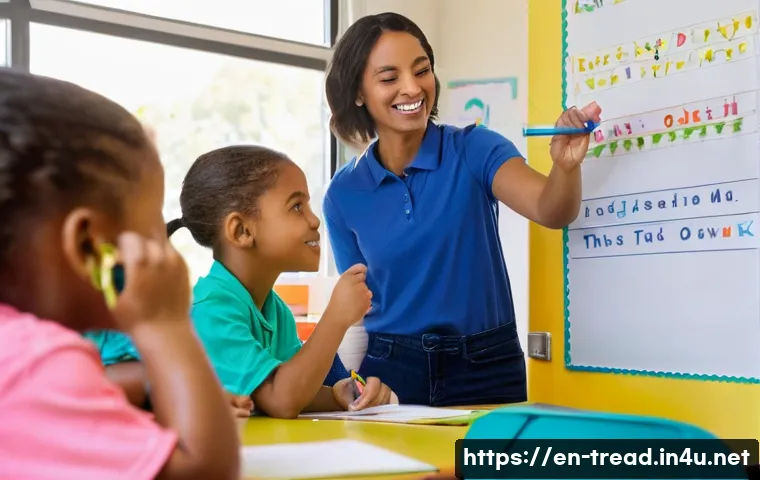
Have you ever wondered what truly makes a great reader? It’s more than just sounding out words; it’s about unlocking entire new worlds, building critical thinking skills, and fostering a lifelong love of learning.
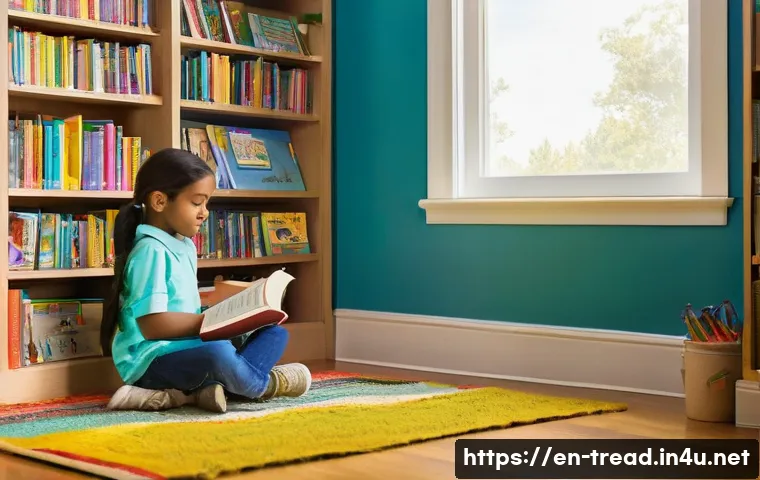
As someone who has dedicated years to guiding young minds through the magic of books, I’ve seen firsthand the incredible power of effective reading instruction.
With the digital age constantly reshaping how our children learn and interact with information, the theories behind how we teach reading have never been more dynamic or crucial.
From phonics to comprehensive literacy, understanding the foundational principles is like having a superpower for nurturing confident, curious readers.
I’ve personally experimented with various approaches, adapted to new technological shifts, and consistently found that a strong theoretical backbone is what empowers us to make a real difference in a child’s educational journey and beyond.
It’s not just about addressing current learning gaps, especially post-pandemic, but also about preparing kids for a future where information literacy is paramount.
Let’s dive deeper and uncover the essential insights you need to truly master the art and science of reading instruction.
Hey there, fellow literacy champions! It’s me, your friendly neighborhood reading enthusiast, back with some insights I’ve gathered over years of working with incredible young readers. You know, sometimes it feels like the world of reading instruction is always buzzing with new ideas, debates, and breakthroughs. And honestly, that’s a good thing! It means we’re constantly learning and refining how we help our kids unlock the magic of books. What I’ve personally found is that while trends come and go, a deep understanding of the core principles of reading is what truly empowers us. It’s not just about what’s “new” but what’s *effective* and *sustainable* for building those confident, curious readers we all dream of. So, let’s get down to business and explore how we can truly master this art and science together.
Understanding the Foundational Reading Theories
Diving into the world of reading instruction, you quickly realize there are some big ideas that have shaped our approaches for decades. It’s almost like a historical tug-of-war sometimes, but what I’ve learned is that there’s value in understanding all sides. We’ve had the “Reading Wars” where phonics-first advocates battled those who championed a whole language approach, and honestly, both camps had some valid points. My experience has shown me that sticking to one extreme rarely works for all students. It’s about recognizing the critical role each component plays.
Phonics vs. Whole Language: The Great Debate
For a long time, the education world was divided between phonics and whole language. Phonics, in its essence, teaches children the systematic relationship between letters and sounds, helping them decode words. It’s that explicit, structured instruction that, in my opinion, builds a really solid foundation for reading. On the other hand, the whole language approach focused more on immersing children in literature, encouraging them to guess words using context clues, pictures, and their prior knowledge. The idea was that reading should be natural, like learning to speak. While I love the enthusiasm for immersion, I’ve seen firsthand how an over-reliance on guessing can leave struggling readers feeling lost and frustrated, especially when texts become more complex and illustrations disappear. Many educators, myself included, have found that neglecting explicit phonics instruction can hinder a child’s ability to truly become an independent reader. It’s like trying to build a house without a strong foundation – it just won’t hold up in the long run. The good news is, we’ve moved beyond such rigid dichotomies.
The Balanced Literacy Approach: Finding Common Ground
Eventually, the concept of “balanced literacy” emerged, aiming to blend the best of both worlds. It attempts to strike a balance, incorporating phonics instruction alongside reading aloud, shared reading, guided reading, and independent reading. On paper, it sounds fantastic, right? You get systematic phonics *and* the joy of reading. However, what I’ve observed is that “balanced literacy” can sometimes be a bit ill-defined, leaving teachers to figure out the right balance on their own, which often means phonics might not be as systematic or explicit as some students truly need. It relies heavily on a teacher’s discretion to assess and adjust, and while that flexibility can be wonderful, it can also lead to inconsistencies. From my perspective, while the intention was good, the implementation sometimes lacked the robust, evidence-based structure that ensures every child develops strong foundational skills.
The Science of Reading: Demystifying the Hype
Now, let’s talk about the “Science of Reading.” If you’ve been in education circles lately, you’ve undoubtedly heard this term. It’s not a program or a curriculum; it’s a vast body of research from fields like cognitive psychology, neuroscience, and linguistics that tells us *how* children learn to read effectively. And honestly, this is where things get really exciting because it provides clear, evidence-based guidance. My personal journey through teaching has consistently brought me back to these scientific truths. It’s about understanding the brain’s natural pathways for reading and teaching in a way that aligns with that. The shift towards this approach has been gaining serious momentum, with many states even enacting legislation to align reading instruction with these research findings. It makes sense when you consider the alarming statistics on reading proficiency.
Decoding the Essentials: Phonological Awareness and Phonics
At the heart of the Science of Reading are phonological awareness and phonics. Phonological awareness is about recognizing and manipulating the sounds in spoken language, like identifying rhymes or breaking words into individual sounds (phonemes). It’s a crucial pre-reading skill. Phonics, then, builds on this by explicitly teaching the relationship between those sounds and the letters (graphemes) that represent them. My own classroom experience has overwhelmingly reinforced this: children who receive explicit, systematic phonics instruction develop stronger decoding skills, which are absolutely essential for fluent reading. It’s not about rote memorization; it’s about giving them the tools to unlock *any* word they encounter, rather than guessing. I’ve seen the sheer joy on a child’s face when they realize they can sound out a new, unfamiliar word – that’s the power of strong foundational skills!
Comprehension: More Than Just Understanding Words
While decoding is the entry point, comprehension is the ultimate goal. The Science of Reading emphasizes that comprehension isn’t just a magical outcome; it’s built upon several interconnected components: phonemic awareness, phonics, vocabulary, fluency, and, of course, comprehension strategies. It’s about building a robust “mental model” of the text. I’ve learned that you can decode every word perfectly, but if you don’t understand the vocabulary or lack background knowledge on the topic, true comprehension will suffer. That’s why the Science of Reading isn’t *just* about phonics; it’s a holistic view that integrates all these elements. I often tell my students that reading is like being a detective; you’re not just looking at the words, you’re gathering clues, making connections, and building the whole picture in your mind.
Cultivating Vocabulary and Background Knowledge
One area I consistently emphasize in my teaching, heavily supported by the Science of Reading, is the critical role of vocabulary and background knowledge. Think about it: how can you understand a text if you don’t know many of the words or concepts it discusses? It’s like trying to read a foreign language without a dictionary or any cultural context. This isn’t just about memorizing definitions; it’s about making words come alive and connecting them to a child’s existing world, building that rich tapestry of understanding that makes reading truly meaningful. My experience has taught me that the more we can expose children to a wide array of words and concepts, the better equipped they are to tackle increasingly complex texts across all subjects.
Explicit Instruction for Word Power
Building vocabulary isn’t something that just magically happens. It requires intentional, explicit instruction. I’ve found great success by not just giving definitions, but by using new words in stories and real-life scenarios, helping students make deeper connections. We play with words, look at their roots, prefixes, and suffixes, and discuss how context changes their meaning. One strategy I love is the “think-aloud” technique, where I verbalize my own process of investigating an unfamiliar word while reading. It models for students that it’s okay to pause, question, and explore. Frequent repetition and reinforcement, through games and diverse activities, are also key to making those new words stick. It’s about creating a language-rich environment where words are celebrated and explored every single day.
Building Bridges to New Worlds Through Diverse Texts
Beyond direct vocabulary instruction, cultivating background knowledge is paramount. This is where rich, diverse literature comes into play. By exposing children to a wide range of genres, cultures, and informational texts, we’re essentially building mental schemas that help them make sense of new information. I always make sure my classroom library is a vibrant collection of stories that reflect different experiences and perspectives, because when children see themselves, their communities, and new worlds in books, it sparks curiosity and connection. Reading about history, science, or different cultures isn’t just about learning facts; it’s about building the contextual understanding that makes future reading in those areas so much easier. When a student reads a challenging historical fiction, and they already have a foundational understanding of the era from a non-fiction book we explored, that’s when you see true comprehension blossom.
Engaging Young Readers in a Digital World
Let’s be real: our kids are growing up in a digital world. Tablets, smartphones, and screens are everywhere. As educators and parents, we can’t ignore this; we have to embrace it strategically. What I’ve seen is that technology, when used thoughtfully, can be an incredibly powerful tool to engage even the most reluctant readers. It’s about finding that sweet spot where digital tools enhance, rather than detract from, the core act of reading. The goal is to leverage these resources to make reading accessible, interactive, and exciting for a generation that’s native to digital interfaces.
Leveraging Technology for Enhanced Learning
Interactive reading apps, e-books, and audiobooks have truly transformed how some children engage with text. For reluctant readers, especially, the ability to customize font sizes, background colors, or even have the text read aloud can remove significant barriers. I’ve had students who struggled with decoding gain immense confidence by “ear reading” – following along with an audiobook while reading the text. This technique can significantly boost fluency and comprehension. Educational apps that gamify reading, offering rewards and badges, also turn reading into a fun, rewarding activity for many kids. Collaborative online platforms, too, can create spaces for students to discuss books and share insights, fostering a sense of community around reading. It’s about meeting them where they are and using the tools they’re comfortable with to draw them into the world of words.
Balancing Screen Time with Physical Books
Now, while technology is fantastic, it’s equally important to ensure a healthy balance. My personal philosophy is that there’s an irreplaceable tactile and sensory experience that comes with holding a physical book. It’s not just nostalgia; some research suggests that deeper comprehension can occur with print texts, especially longer ones, as digital reading can sometimes encourage skimming. So, my approach is to strategically use digital tools to introduce, engage, and reinforce, while still providing ample opportunities for children to curl up with a good old-fashioned book. It’s about teaching them *how* to read effectively in both digital and print environments, understanding that the skills might need to adapt. We must teach them active digital reading strategies, like annotation tools, that promote deep engagement rather than passive scrolling. For example, I encourage students to use digital sticky notes or highlighting features to “talk” to the text, just as they might with a physical book.
Effective Assessment and Responsive Teaching
As a teacher, I quickly learned that effective reading instruction isn’t a one-size-fits-all endeavor. Every child is unique, with their own strengths, challenges, and learning styles. That’s why assessment isn’t just about grades; it’s about truly understanding where a child is in their reading journey and then responding with targeted support. It’s a continuous cycle of observing, analyzing, and adjusting. I’ve always believed that the best teachers are those who are constantly learning *from* their students, using every interaction as a piece of data to inform their next steps. This responsive teaching approach is central to making a real difference.
Moving Beyond Standardized Tests
While standardized tests provide some snapshots, they rarely tell the whole story of a reader. In my classroom, I rely heavily on formative assessments: informal observations, reading conferences, running records, and student self-reflections. These ongoing assessments give me rich, nuanced insights into a child’s decoding skills, fluency, comprehension strategies, and even their reading preferences and motivation. I remember a student who consistently scored low on timed reading passages but could eloquently discuss a complex novel during a one-on-one conference. That told me the issue wasn’t comprehension, but perhaps fluency under pressure. By looking beyond a single score, we can identify specific skill gaps and tailor our instruction much more effectively. Data-driven and personalized instruction is a huge trend right now, and for good reason – it truly helps us meet individual needs.
Differentiated Instruction: Meeting Every Child Where They Are
Once we understand a child’s specific needs, differentiated instruction becomes our superpower. This means adjusting our teaching methods, materials, and learning environments to cater to diverse learners. For some, it might mean more intensive, small-group phonics instruction. For others, it could be access to audiobooks, more challenging texts, or opportunities for project-based learning. I’ve found that creating flexible grouping, where students move between different activities based on their current learning goals, is incredibly effective. It’s not about lowering expectations; it’s about providing the right scaffolding and challenge at the right time. This is where my experience as an educator truly comes into play—knowing when to push, when to support, and when to simply get out of their way and let them explore. It’s a dynamic dance, and it’s immensely rewarding to see every child thrive.
Nurturing a Love for Literature That Lasts
Ultimately, all the theories, strategies, and assessments in the world lead to one profound goal: fostering a lifelong love of reading. Because what’s the point of teaching someone to read if they never *want* to read? This is where the art truly intertwines with the science. My most cherished memories as an educator aren’t just about students mastering phonics, but seeing their eyes light up when they discover a book that speaks to their soul, or when they passionately recommend a story to a friend. Creating an environment where reading is not just a skill but a cherished activity is paramount, and it’s something I actively work on in every aspect of my teaching.
Creating a Culture of Reading at Home and School
Fostering a love for reading is a team effort, requiring collaboration between home and school. In my classroom, I strive to create a cozy, inviting reading nook filled with a diverse collection of books that cater to every interest imaginable. But it extends beyond the classroom walls. I often encourage parents to read aloud to their children, even older ones, because it models fluent reading and creates a shared, joyful experience. Making reading social, through book clubs or simply encouraging students to share their favorite reads, also builds a positive reading culture. I’ve seen shy students open up in book discussions, finding their voice as they passionately defend a character’s choices. When reading is seen as a valued activity, both at school and at home, children are far more likely to embrace it willingly and enthusiastically.
The Joy of Choice: Empowering Young Readers
One of the most powerful tools we have to foster a love of reading is choice. When children get to pick books that genuinely interest them, their engagement skyrockets. It’s a simple truth, but often overlooked in structured curricula. I remember a student who was completely disengaged until I suggested a graphic novel series about superheroes – suddenly, he couldn’t put books down! Following their passions, whether it’s fantasy, non-fiction about dinosaurs, or graphic novels, makes all the difference. It empowers them, giving them ownership over their reading journey. My role, then, shifts from instructor to guide and cheerleader, helping them navigate genres, discover new authors, and sometimes, just letting them revel in the pure joy of a good story. That’s when you know you’ve truly made a reader for life.
| Reading Instruction Approach | Primary Focus | Key Characteristics | My Observation (Pros/Cons) |
|---|---|---|---|
| Traditional Phonics | Letter-sound correspondence; Decoding | Systematic, explicit instruction of phonetic rules, blending, and segmenting sounds. |
Pros: Builds strong foundational decoding skills, essential for early readers. Empowers students to sound out unfamiliar words. Very effective for struggling readers. Cons: Can sometimes feel decontextualized if not balanced with meaningful reading. May be perceived as less engaging if overemphasized without connection to comprehension. |
| Whole Language | Meaning-making; Contextual understanding | Immersion in rich literature, encouraging guessing words from context, pictures, and prior knowledge. Limited explicit phonics. |
Pros: Fosters a love of books and reading for meaning. Can be highly engaging. Emphasizes connection to real-world language. Cons: Can leave many students (especially those with dyslexia or who need structured instruction) unprepared for decoding complex texts. Over-reliance on guessing can lead to poor reading habits. |
| Balanced Literacy | Combination of various methods | Attempts to blend phonics, whole language, guided reading, shared reading, and independent reading. Flexible application. |
Pros: Aims to provide a comprehensive approach, offering flexibility to teachers. Can incorporate engaging literature. Cons: Can lack a clear, systematic structure for phonics instruction. Implementation varies widely, potentially leading to inconsistencies and gaps for students who need explicit instruction. |
| Science of Reading (SOR) | Evidence-based practices; Cognitive science | Systematic and explicit instruction across five pillars: phonemic awareness, phonics, fluency, vocabulary, and comprehension. |
Pros: Grounded in extensive research, highly effective for all learners, particularly those who struggle. Provides clear guidelines for instruction. Holistic approach to all aspects of reading. Cons: Requires significant teacher training and a shift in pedagogical practices for many. Can be misconstrued as *only* phonics, missing the broader scope. |
Hey there, fellow literacy champions! It’s me, your friendly neighborhood reading enthusiast, back with some insights I’ve gathered over years of working with incredible young readers. You know, sometimes it feels like the world of reading instruction is always buzzing with new ideas, debates, and breakthroughs. And honestly, that’s a good thing! It means we’re constantly learning and refining how we help our kids unlock the magic of books. What I’ve personally found is that while trends come and go, a deep understanding of the core principles of reading is what truly empowers us. It’s not just about what’s “new” but what’s *effective* and *sustainable* for building those confident, curious readers we all dream of. So, let’s get down to business and explore how we can truly master this art and science together.
Understanding the Foundational Reading Theories
Diving into the world of reading instruction, you quickly realize there are some big ideas that have shaped our approaches for decades. It’s almost like a historical tug-of-war sometimes, but what I’ve learned is that there’s value in understanding all sides. We’ve had the “Reading Wars” where phonics-first advocates battled those who championed a whole language approach, and honestly, both camps had some valid points. My experience has shown me that sticking to one extreme rarely works for all students. It’s about recognizing the critical role each component plays.
Phonics vs. Whole Language: The Great Debate
For a long time, the education world was divided between phonics and whole language. Phonics, in its essence, teaches children the systematic relationship between letters and sounds, helping them decode words. It’s that explicit, structured instruction that, in my opinion, builds a really solid foundation for reading. On the other hand, the whole language approach focused more on immersing children in literature, encouraging them to guess words using context clues, pictures, and their prior knowledge. The idea was that reading should be natural, like learning to speak. While I love the enthusiasm for immersion, I’ve seen firsthand how an over-reliance on guessing can leave struggling readers feeling lost and frustrated, especially when texts become more complex and illustrations disappear. Many educators, myself included, have found that neglecting explicit phonics instruction can hinder a child’s ability to truly become an independent reader. It’s like trying to build a house without a strong foundation – it just won’t hold up in the long run. The good news is, we’ve moved beyond such rigid dichotomies.
The Balanced Literacy Approach: Finding Common Ground
Eventually, the concept of “balanced literacy” emerged, aiming to blend the best of both worlds. It attempts to strike a balance, incorporating phonics instruction alongside reading aloud, shared reading, guided reading, and independent reading. On paper, it sounds fantastic, right? You get systematic phonics *and* the joy of reading. However, what I’ve observed is that “balanced literacy” can sometimes be a bit ill-defined, leaving teachers to figure out the right balance on their own, which often means phonics might not be as systematic or explicit as some students truly need. It relies heavily on a teacher’s discretion to assess and adjust, and while that flexibility can be wonderful, it can also lead to inconsistencies. From my perspective, while the intention was good, the implementation sometimes lacked the robust, evidence-based structure that ensures every child develops strong foundational skills.
The Science of Reading: Demystifying the Hype

Now, let’s talk about the “Science of Reading.” If you’ve been in education circles lately, you’ve undoubtedly heard this term. It’s not a program or a curriculum; it’s a vast body of research from fields like cognitive psychology, neuroscience, and linguistics that tells us *how* children learn to read effectively. And honestly, this is where things get really exciting because it provides clear, evidence-based guidance. My personal journey through teaching has consistently brought me back to these scientific truths. It’s about understanding the brain’s natural pathways for reading and teaching in a way that aligns with that. The shift towards this approach has been gaining serious momentum, with many states even enacting legislation to align reading instruction with these research findings. It makes sense when you consider the alarming statistics on reading proficiency.
Decoding the Essentials: Phonological Awareness and Phonics
At the heart of the Science of Reading are phonological awareness and phonics. Phonological awareness is about recognizing and manipulating the sounds in spoken language, like identifying rhymes or breaking words into individual sounds (phonemes). It’s a crucial pre-reading skill. Phonics, then, builds on this by explicitly teaching the relationship between those sounds and the letters (graphemes) that represent them. My own classroom experience has overwhelmingly reinforced this: children who receive explicit, systematic phonics instruction develop stronger decoding skills, which are absolutely essential for fluent reading. It’s not about rote memorization; it’s about giving them the tools to unlock *any* word they encounter, rather than guessing. I’ve seen the sheer joy on a child’s face when they realize they can sound out a new, unfamiliar word – that’s the power of strong foundational skills!
Comprehension: More Than Just Understanding Words
While decoding is the entry point, comprehension is the ultimate goal. The Science of Reading emphasizes that comprehension isn’t just a magical outcome; it’s built upon several interconnected components: phonemic awareness, phonics, vocabulary, fluency, and, of course, comprehension strategies. It’s about building a robust “mental model” of the text. I’ve learned that you can decode every word perfectly, but if you don’t understand the vocabulary or lack background knowledge on the topic, true comprehension will suffer. That’s why the Science of Reading isn’t *just* about phonics; it’s a holistic view that integrates all these elements. I often tell my students that reading is like being a detective; you’re not just looking at the words, you’re gathering clues, making connections, and building the whole picture in your mind.
Cultivating Vocabulary and Background Knowledge
One area I consistently emphasize in my teaching, heavily supported by the Science of Reading, is the critical role of vocabulary and background knowledge. Think about it: how can you understand a text if you don’t know many of the words or concepts it discusses? It’s like trying to read a foreign language without a dictionary or any cultural context. This isn’t just about memorizing definitions; it’s about making words come alive and connecting them to a child’s existing world, building that rich tapestry of understanding that makes reading truly meaningful. My experience has taught me that the more we can expose children to a wide array of words and concepts, the better equipped they are to tackle increasingly complex texts across all subjects.
Explicit Instruction for Word Power
Building vocabulary isn’t something that just magically happens. It requires intentional, explicit instruction. I’ve found great success by not just giving definitions, but by using new words in stories and real-life scenarios, helping students make deeper connections. We play with words, look at their roots, prefixes, and suffixes, and discuss how context changes their meaning. One strategy I love is the “think-aloud” technique, where I verbalize my own process of investigating an unfamiliar word while reading. It models for students that it’s okay to pause, question, and explore. Frequent repetition and reinforcement, through games and diverse activities, are also key to making those new words stick. It’s about creating a language-rich environment where words are celebrated and explored every single day.
Building Bridges to New Worlds Through Diverse Texts
Beyond direct vocabulary instruction, cultivating background knowledge is paramount. This is where rich, diverse literature comes into play. By exposing children to a wide range of genres, cultures, and informational texts, we’re essentially building mental schemas that help them make sense of new information. I always make sure my classroom library is a vibrant collection of stories that reflect different experiences and perspectives, because when children see themselves, their communities, and new worlds in books, it sparks curiosity and connection. Reading about history, science, or different cultures isn’t just about learning facts; it’s about building the contextual understanding that makes future reading in those areas so much easier. When a student reads a challenging historical fiction, and they already have a foundational understanding of the era from a non-fiction book we explored, that’s when you see true comprehension blossom.
Engaging Young Readers in a Digital World
Let’s be real: our kids are growing up in a digital world. Tablets, smartphones, and screens are everywhere. As educators and parents, we can’t ignore this; we have to embrace it strategically. What I’ve seen is that technology, when used thoughtfully, can be an incredibly powerful tool to engage even the most reluctant readers. It’s about finding that sweet spot where digital tools enhance, rather than detract from, the core act of reading. The goal is to leverage these resources to make reading accessible, interactive, and exciting for a generation that’s native to digital interfaces.
Leveraging Technology for Enhanced Learning
Interactive reading apps, e-books, and audiobooks have truly transformed how some children engage with text. For reluctant readers, especially, the ability to customize font sizes, background colors, or even have the text read aloud can remove significant barriers. I’ve had students who struggled with decoding gain immense confidence by “ear reading” – following along with an audiobook while reading the text. This technique can significantly boost fluency and comprehension. Educational apps that gamify reading, offering rewards and badges, also turn reading into a fun, rewarding activity for many kids. Collaborative online platforms, too, can create spaces for students to discuss books and share insights, fostering a sense of community around reading. It’s about meeting them where they are and using the tools they’re comfortable with to draw them into the world of words.
Balancing Screen Time with Physical Books
Now, while technology is fantastic, it’s equally important to ensure a healthy balance. My personal philosophy is that there’s an irreplaceable tactile and sensory experience that comes with holding a physical book. It’s not just nostalgia; some research suggests that deeper comprehension can occur with print texts, especially longer ones, as digital reading can sometimes encourage skimming. So, my approach is to strategically use digital tools to introduce, engage, and reinforce, while still providing ample opportunities for children to curl up with a good old-fashioned book. It’s about teaching them *how* to read effectively in both digital and print environments, understanding that the skills might need to adapt. We must teach them active digital reading strategies, like annotation tools, that promote deep engagement rather than passive scrolling. For example, I encourage students to use digital sticky notes or highlighting features to “talk” to the text, just as they might with a physical book.
Effective Assessment and Responsive Teaching
As a teacher, I quickly learned that effective reading instruction isn’t a one-size-fits-all endeavor. Every child is unique, with their own strengths, challenges, and learning styles. That’s why assessment isn’t just about grades; it’s about truly understanding where a child is in their reading journey and then responding with targeted support. It’s a continuous cycle of observing, analyzing, and adjusting. I’ve always believed that the best teachers are those who are constantly learning *from* their students, using every interaction as a piece of data to inform their next steps. This responsive teaching approach is central to making a real difference.
Moving Beyond Standardized Tests
While standardized tests provide some snapshots, they rarely tell the whole story of a reader. In my classroom, I rely heavily on formative assessments: informal observations, reading conferences, running records, and student self-reflections. These ongoing assessments give me rich, nuanced insights into a child’s decoding skills, fluency, comprehension strategies, and even their reading preferences and motivation. I remember a student who consistently scored low on timed reading passages but could eloquently discuss a complex novel during a one-on-one conference. That told me the issue wasn’t comprehension, but perhaps fluency under pressure. By looking beyond a single score, we can identify specific skill gaps and tailor our instruction much more effectively. Data-driven and personalized instruction is a huge trend right now, and for good reason – it truly helps us meet individual needs.
Differentiated Instruction: Meeting Every Child Where They Are
Once we understand a child’s specific needs, differentiated instruction becomes our superpower. This means adjusting our teaching methods, materials, and learning environments to cater to diverse learners. For some, it might mean more intensive, small-group phonics instruction. For others, it could be access to audiobooks, more challenging texts, or opportunities for project-based learning. I’ve found that creating flexible grouping, where students move between different activities based on their current learning goals, is incredibly effective. It’s not about lowering expectations; it’s about providing the right scaffolding and challenge at the right time. This is where my experience as an educator truly comes into play—knowing when to push, when to support, and when to simply get out of their way and let them explore. It’s a dynamic dance, and it’s immensely rewarding to see every child thrive.
Nurturing a Love for Literature That Lasts
Ultimately, all the theories, strategies, and assessments in the world lead to one profound goal: fostering a lifelong love of reading. Because what’s the point of teaching someone to read if they never *want* to read? This is where the art truly intertwines with the science. My most cherished memories as an educator aren’t just about students mastering phonics, but seeing their eyes light up when they discover a book that speaks to their soul, or when they passionately recommend a story to a friend. Creating an environment where reading is not just a skill but a cherished activity is paramount, and it’s something I actively work on in every aspect of my teaching.
Creating a Culture of Reading at Home and School
Fostering a love for reading is a team effort, requiring collaboration between home and school. In my classroom, I strive to create a cozy, inviting reading nook filled with a diverse collection of books that cater to every interest imaginable. But it extends beyond the classroom walls. I often encourage parents to read aloud to their children, even older ones, because it models fluent reading and creates a shared, joyful experience. Making reading social, through book clubs or simply encouraging students to share their favorite reads, also builds a positive reading culture. I’ve seen shy students open up in book discussions, finding their voice as they passionately defend a character’s choices. When reading is seen as a valued activity, both at school and at home, children are far more likely to embrace it willingly and enthusiastically.
The Joy of Choice: Empowering Young Readers
One of the most powerful tools we have to foster a love of reading is choice. When children get to pick books that genuinely interest them, their engagement skyrockets. It’s a simple truth, but often overlooked in structured curricula. I remember a student who was completely disengaged until I suggested a graphic novel series about superheroes – suddenly, he couldn’t put books down! Following their passions, whether it’s fantasy, non-fiction about dinosaurs, or graphic novels, makes all the difference. It empowers them, giving them ownership over their reading journey. My role, then, shifts from instructor to guide and cheerleader, helping them navigate genres, discover new authors, and sometimes, just letting them revel in the pure joy of a good story. That’s when you know you’ve truly made a reader for life.
| Reading Instruction Approach | Primary Focus | Key Characteristics | My Observation (Pros/Cons) |
|---|---|---|---|
| Traditional Phonics | Letter-sound correspondence; Decoding | Systematic, explicit instruction of phonetic rules, blending, and segmenting sounds. |
Pros: Builds strong foundational decoding skills, essential for early readers. Empowers students to sound out unfamiliar words. Very effective for struggling readers. Cons: Can sometimes feel decontextualized if not balanced with meaningful reading. May be perceived as less engaging if overemphasized without connection to comprehension. |
| Whole Language | Meaning-making; Contextual understanding | Immersion in rich literature, encouraging guessing words from context, pictures, and prior knowledge. Limited explicit phonics. |
Pros: Fosters a love of books and reading for meaning. Can be highly engaging. Emphasizes connection to real-world language. Cons: Can leave many students (especially those with dyslexia or who need structured instruction) unprepared for decoding complex texts. Over-reliance on guessing can lead to poor reading habits. |
| Balanced Literacy | Combination of various methods | Attempts to blend phonics, whole language, guided reading, shared reading, and independent reading. Flexible application. |
Pros: Aims to provide a comprehensive approach, offering flexibility to teachers. Can incorporate engaging literature. Cons: Can lack a clear, systematic structure for phonics instruction. Implementation varies widely, potentially leading to inconsistencies and gaps for students who need explicit instruction. |
| Science of Reading (SOR) | Evidence-based practices; Cognitive science | Systematic and explicit instruction across five pillars: phonemic awareness, phonics, fluency, vocabulary, and comprehension. |
Pros: Grounded in extensive research, highly effective for all learners, particularly those who struggle. Provides clear guidelines for instruction. Holistic approach to all aspects of reading. Cons: Requires significant teacher training and a shift in pedagogical practices for many. Can be misconstrued as *only* phonics, missing the broader scope. |
Wrapping Things Up
What an incredible journey we’ve had exploring the ins and outs of reading instruction! I truly hope this deep dive has given you some fresh perspectives and practical ideas to bring to your own reading adventures, whether you’re an educator, a parent, or just a fellow book lover. Remember, the heart of it all is about empowering young readers with the right tools and igniting that spark of curiosity that lasts a lifetime. My greatest joy comes from seeing kids blossom into confident, eager readers, and I know with these insights, you can help make that happen too.
Helpful Tips You’ll Want to Bookmark
1. Embrace Evidence-Based Practices: Prioritize instruction rooted in the Science of Reading, focusing on explicit phonics and phonemic awareness. This provides a strong foundation for all readers, especially those who might struggle.
2. Cultivate Vocabulary Actively: Go beyond definitions! Engage students with new words through diverse contexts, games, and real-life examples, helping them build rich mental connections and deepen their comprehension.
3. Strategically Use Digital Tools: Leverage e-books, audiobooks, and interactive reading apps to boost engagement and accessibility, but always balance screen time with the unique tactile experience of physical books.
4. Create a Reading-Rich Environment: Design inviting spaces at home and school with a wide variety of books, and make reading a visible, cherished family activity. Seeing adults read makes a huge difference!
5. Empower with Choice: Let children pick books that genuinely capture their interest, whether it’s graphic novels, fantasy, or non-fiction. Ownership over their reading journey fuels motivation and a lifelong love for literature.
Key Takeaways
At the end of the day, fostering a love for reading is a dynamic blend of art and science. By understanding the research-backed approaches, embracing personalized instruction, and creating an engaging, supportive environment, we can equip every child not just with the ability to read, but with the desire to explore worlds, gain knowledge, and connect through stories for their entire lives. It’s about building confident, curious, and lifelong readers, one chapter at a time.
Frequently Asked Questions (FAQ) 📖
Q: What’s the ultimate secret to nurturing a truly enthusiastic, lifelong reader, beyond just teaching them to sound out words?
A: Oh, this is a question I absolutely adore, and it’s one I get all the time from parents and fellow educators! After years of guiding young minds through the labyrinth of language, what I’ve found is that the real magic happens when we shift our focus from just decoding to deep engagement and personal connection.
It’s not enough to teach them to read; we need to teach them to love reading. For me, the secret lies in choice and immersion. Think about it: when we’re passionate about something, we seek it out.
Kids are no different. Give them the power to choose what they read – whether it’s graphic novels, non-fiction about dinosaurs, or fantasy adventures.
When they pick a book themselves, they’re already invested. I’ve seen firsthand how a child who “hates reading” suddenly devours an entire series just because they felt a spark of interest.
Beyond choice, it’s about making reading a joyful, shared experience. Read aloud to them, even older kids, long after they can read independently. Share your favorite stories, discuss characters, and ponder plots together.
Create a cozy reading nook where books are easily accessible and screen-free time is genuinely valued. It sends a powerful message that reading isn’t a chore, but a cherished activity, a gateway to endless new worlds.
This cultivates not just a skill, but a lifelong habit of curiosity and critical thinking that extends far beyond the page.
Q: With all the screens and digital distractions everywhere, how can we adapt our reading instruction to genuinely connect with children today?
A: This is probably the biggest challenge and opportunity we face in modern literacy! Believe me, I’ve personally grappled with the ever-present glow of screens in my own teaching and at home.
It’s easy to feel like we’re fighting a losing battle against TikTok and video games, but what I’ve come to realize is that we can actually harness technology to our advantage, not just resist it.
The key isn’t to ban screens entirely – that’s just not realistic in our digital world. Instead, it’s about thoughtful integration and teaching “digital literacy” right alongside traditional reading skills.
I’ve experimented with this extensively, and what I’ve found works best is showing kids that digital tools can enhance, rather than replace, the joy of reading.
Think interactive e-books that engage reluctant readers with sound effects or animation, or using online platforms to access vast digital libraries. My students light up when they get to use a reading app that adapts to their level or when we explore a topic through carefully curated educational videos before diving into a related non-fiction book.
The crucial part is balance. We need to teach children to be “bi-literate” readers – capable of both deep, focused reading from print and effective, critical navigation of digital texts.
This means setting clear boundaries for screen time for pure entertainment, and then deliberately using other screen time for enriching, interactive reading experiences.
I often encourage parents to be role models, too, by showing their kids that they also enjoy print books alongside their digital devices. It’s about empowering them to be masters of information, no matter the format, and understanding that different reading strategies apply to different contexts.
Q: There’s so much debate – phonics, balanced literacy, whole language. Which approach is truly the most effective in today’s world, especially considering the learning gaps we’ve seen post-pandemic?
A: Ah, the infamous “Reading Wars”! As someone who’s been deeply involved in reading instruction for years, I’ve seen these debates cycle through, and frankly, it can be really confusing for parents and educators alike.
But honestly, the current research, often referred to as the “Science of Reading,” is pretty clear, especially when we consider the significant learning gaps many children faced during and after the pandemic.
My experience, coupled with the latest evidence, strongly points towards a structured and balanced literacy approach where systematic phonics is the absolute cornerstone.
Think of it this way: phonics gives children the essential tools – the decoding superpower – to break down words and truly unlock the text. Without a strong foundation in letter-sound relationships and phonemic awareness, kids, especially those who struggle, are left guessing, which can be incredibly frustrating and debilitating.
We’ve seen a renewed push for explicit phonics instruction across many states, and for good reason; it’s effective. However, it’s not just about phonics.
That’s where the “balanced” part comes in. Once children have those decoding tools, we need to immerse them in rich, meaningful literature. We need to foster their comprehension, vocabulary, and fluency through engaging stories, thoughtful discussions, and opportunities to connect with the text on a deeper level.
This isn’t the “whole language” of old, which sometimes neglected explicit phonics. Instead, it’s about strategically combining strong foundational skills with the joy and comprehension that come from reading wonderful books.
For our post-pandemic learners, who often have noticeable gaps in early decoding, this integrated, evidence-based approach is proving to be the most effective pathway to becoming confident, capable, and truly lifelong readers.