
Becoming a certified reading instructor opens up a world of rewarding opportunities for those passionate about literacy and education. Not only does it enhance your teaching skills, but it also positions you as a trusted expert in fostering reading development.
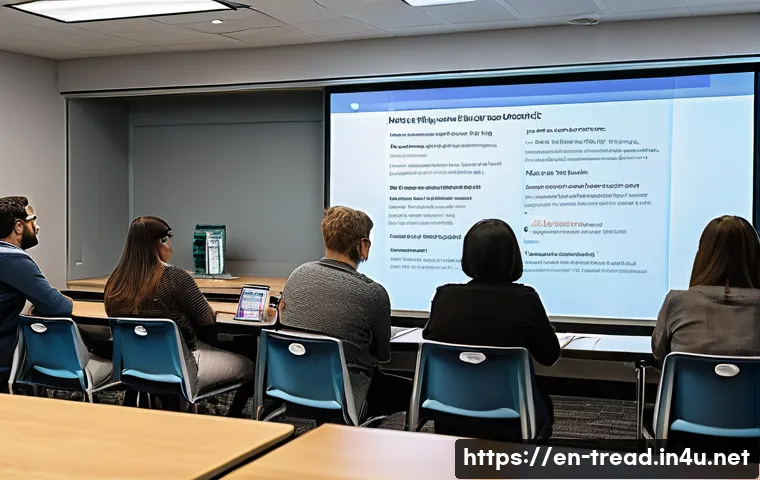
With the growing emphasis on early childhood education and lifelong learning, having this certification can significantly boost your career prospects.
Plus, it allows you to make a meaningful impact by helping others unlock the joy and power of reading. If you’re curious about how this qualification can benefit you personally and professionally, let’s dive deeper into the details ahead!
Unlocking Practical Teaching Strategies for Diverse Learners
Adapting Instruction to Individual Needs
When you become a certified reading instructor, one of the biggest takeaways is learning how to tailor your teaching methods to fit a wide variety of learners.
It’s not just about following a set curriculum; it’s about recognizing that every student absorbs information differently. I’ve seen firsthand how using flexible strategies—like phonics for some, storytelling for others, or visual aids for visual learners—can dramatically improve engagement and retention.
This adaptability makes lessons more effective and keeps students motivated, which is crucial in reading development.
Incorporating Evidence-Based Techniques
The certification process dives deep into research-backed approaches that have proven successful in literacy education. Techniques such as guided reading, interactive read-alouds, and explicit vocabulary instruction are emphasized.
Personally, integrating these methods felt like a game-changer. It’s reassuring to know you’re not just guessing but applying strategies supported by solid evidence.
This confidence translates into better outcomes for learners and builds your credibility as an instructor.
Building a Supportive Learning Environment
Beyond the mechanics of reading, certified instructors learn how to create a positive atmosphere where students feel safe to explore and make mistakes.
Encouragement and patience become key components of your teaching style. From my experience, fostering a nurturing space where children or adults feel comfortable asking questions or expressing confusion boosts their willingness to persevere, which is essential for long-term literacy success.
Expanding Career Horizons and Professional Growth
Access to Specialized Teaching Roles
Holding a reading instructor certification opens doors to positions that specifically focus on literacy development, such as literacy coach, reading specialist, or interventionist.
These roles often come with increased responsibilities and, typically, better compensation. I noticed that schools and educational organizations highly value certified instructors because they bring specialized skills that directly address reading challenges.
This certification can set you apart in a crowded job market.
Enhancing Your Resume and Marketability
The credential signals to employers that you’re serious about literacy education and committed to professional development. When applying for teaching jobs or even roles outside traditional education settings—like tutoring centers or nonprofit literacy programs—this certification adds weight to your resume.
I’ve encountered many colleagues who shared that having this qualification helped them negotiate higher salaries or secure leadership roles within their institutions.
Opportunities for Continuing Education
The journey doesn’t stop once you’re certified. Many programs encourage ongoing learning through workshops, seminars, and advanced certifications. This continuous education keeps your skills sharp and up-to-date with the latest literacy research and technology.
Personally, staying engaged with professional development has been both inspiring and essential to maintaining high-quality instruction.
Impacting Communities Through Literacy Advocacy
Addressing Literacy Gaps in Underserved Areas
Certified reading instructors often find themselves at the forefront of community literacy initiatives. Whether it’s volunteering at local libraries, organizing reading clubs, or partnering with nonprofit organizations, your expertise allows you to make a tangible difference.
I’ve seen how targeted literacy programs can help bridge educational gaps in underserved neighborhoods, opening doors for individuals who might otherwise struggle with reading.
Empowering Families and Caregivers
Part of the certification journey involves learning how to engage families in the literacy process. Sharing practical strategies with parents and caregivers empowers them to support reading development at home.
From my experience, when families feel equipped and confident, children’s reading progress accelerates, and a positive reading culture develops beyond the classroom.
Raising Awareness About Literacy’s Importance
As a certified instructor, you become an advocate who can effectively communicate the critical role literacy plays in personal and professional success.
Participating in community events or writing articles can amplify this message. I’ve found that raising awareness not only attracts resources but also fosters a collective commitment to improving literacy rates locally.
Leveraging Technology for Innovative Reading Instruction
Integrating Digital Tools to Enhance Learning
The certification process often covers how to use educational technology to support reading instruction. Tools like interactive e-books, reading apps, and online assessments can make lessons more engaging and personalized.
I experimented with various platforms and noticed that technology often captures students’ attention better than traditional methods alone, especially for younger learners who are digital natives.
Using Data to Inform Instructional Decisions
Many certification programs train instructors to analyze student performance data collected through digital assessments. This data-driven approach helps identify strengths and weaknesses, allowing you to adjust lessons accordingly.
From my perspective, this precision eliminates guesswork and ensures that your instruction targets exactly what each learner needs to improve.
Balancing Screen Time with Traditional Reading
While technology is a powerful ally, certified instructors also learn the importance of balancing screen-based activities with hands-on reading experiences.
Physical books, group discussions, and writing exercises remain vital components. I’ve found that mixing both approaches keeps reading instruction well-rounded and prevents over-reliance on screens.
Understanding the Certification Process and Requirements
Prerequisites and Coursework Overview

Typically, certification requires completing specific coursework focused on reading theory, assessment, and instruction techniques. Many programs ask for a background in education or related fields, though some offer pathways for passionate individuals from different careers.
I recall that the coursework was intensive but rewarding, blending theory with practical application to prepare you for real classroom challenges.
Practical Teaching Experience
Most certification paths include a practicum or supervised teaching component where you apply what you’ve learned in a real-world setting. This hands-on experience is invaluable—it’s where theory meets practice, and you develop confidence managing diverse learners.
My time in the practicum was eye-opening; it pushed me to adapt quickly and refine my instructional skills based on direct feedback.
Certification Maintenance and Renewal
Once certified, many states or organizations require periodic renewal through continuing education credits or refresher courses. This ensures that instructors stay current with evolving literacy research and instructional methods.
Staying engaged with these requirements can feel demanding but ultimately keeps your skills sharp and relevant.
Financial and Time Investment Versus Long-Term Benefits
Cost Breakdown and Funding Options
Certification programs vary widely in cost, ranging from a few hundred to several thousand dollars depending on the provider and level of credential. Some institutions offer scholarships, grants, or employer reimbursement programs to ease the financial burden.
I found that investing upfront was well worth it given the career growth and personal fulfillment that followed.
Time Commitment and Scheduling Flexibility
Balancing coursework with work and life commitments can be challenging. Fortunately, many programs offer online or hybrid formats, allowing you to study at your own pace.
From my experience juggling a busy schedule, having flexible options made completing the certification much more manageable.
Return on Investment Over Time
While the initial investment might seem steep, the long-term benefits often outweigh the costs. Certified instructors tend to earn higher salaries and enjoy better job security.
Beyond money, the personal satisfaction of making a lasting impact on learners’ lives is priceless. The table below summarizes key factors to consider when evaluating this investment.
| Factor | Details | Personal Insight |
|---|---|---|
| Cost | $500 – $3,000 depending on program and region | Look for scholarships or employer support to reduce expenses |
| Time | 3 to 12 months, depending on part-time/full-time status | Online programs offer flexibility for busy professionals |
| Career Impact | Higher salary potential, expanded job roles | Certification often leads to promotions or specialized positions |
| Personal Fulfillment | Helping others develop essential literacy skills | Many find this the most rewarding aspect of certification |
Building Confidence Through Mastery of Literacy Concepts
Deepening Your Understanding of Reading Development
Certification programs provide a thorough exploration of how reading skills evolve from phonemic awareness to comprehension. This deep knowledge allows you to identify where learners might struggle and why.
In my case, understanding the stages of literacy development helped me pinpoint issues early and apply targeted interventions, making teaching far more effective.
Strengthening Assessment and Diagnostic Skills
Becoming certified sharpens your ability to assess reading abilities accurately. From informal observations to standardized tests, you learn to interpret results and plan instruction accordingly.
I found that this skill not only improved my teaching outcomes but also increased trust from parents and administrators who saw the data-driven approach as a mark of professionalism.
Enhancing Communication with Stakeholders
Certified instructors gain confidence in explaining complex literacy concepts to students, parents, and colleagues. This clear communication fosters collaboration and shared commitment to student success.
Personally, being able to articulate reading challenges and progress in understandable terms has been invaluable in building strong support networks around learners.
Conclusion
Becoming a certified reading instructor is a transformative journey that equips you with practical strategies to support diverse learners effectively. Through evidence-based methods and continuous professional growth, you can make a real difference in literacy development. This certification not only enhances your teaching skills but also expands your career opportunities and community impact. Embracing this path brings both personal fulfillment and professional credibility.
Useful Information to Keep in Mind
1. Certification programs often combine theory with hands-on experience, helping you apply learning in real classroom settings.
2. Flexible scheduling options, including online courses, make it easier to balance certification with work and personal life.
3. Many programs emphasize the use of technology and data to tailor instruction and improve student outcomes.
4. Ongoing professional development is essential to stay updated with the latest literacy research and instructional techniques.
5. Engaging families and communities in literacy efforts amplifies the positive impact beyond the classroom.
Key Takeaways
Certification as a reading instructor demands commitment but offers rewarding benefits like specialized teaching roles and higher earning potential. It fosters mastery of literacy concepts and assessment skills, ensuring effective instruction for diverse learners. Maintaining certification through continued education keeps your expertise current and relevant. Ultimately, this credential empowers you to advocate for literacy and contribute meaningfully to your community’s educational success.
Frequently Asked Questions (FAQ) 📖
Q: What are the main benefits of becoming a certified reading instructor?
A: Becoming a certified reading instructor offers several key benefits. First, it significantly enhances your teaching skills by equipping you with specialized strategies to support diverse learners.
This expertise positions you as a trusted professional in literacy education, which can open doors to new job opportunities or promotions. Personally, it’s incredibly fulfilling to help students develop strong reading skills that boost their confidence and academic success.
Plus, with education increasingly focusing on early literacy and lifelong learning, this certification makes you a valuable asset in schools, tutoring centers, and community programs.
Q: How does certification improve career prospects in education?
A: Certification in reading instruction acts as a strong differentiator in the competitive education field. Many schools and educational organizations prefer or require certified instructors because it ensures a higher quality of literacy teaching.
This credential can lead to better salaries, leadership roles, or specialized positions such as literacy coach or curriculum developer. From my experience, having this certification helped me stand out during job interviews and gave me the confidence to take on more challenging roles.
It also shows your commitment to professional growth, which employers highly value.
Q: Is becoming a certified reading instructor suitable for people outside traditional teaching roles?
A: Absolutely! While it’s ideal for classroom teachers, many professionals outside traditional education benefit from this certification. For example, tutors, speech therapists, librarians, and even parents who want to support their children’s reading development can gain valuable tools and knowledge.
I’ve seen tutors dramatically improve their effectiveness after certification, making sessions more engaging and productive. This qualification is versatile, allowing you to impact literacy in various settings, not just schools, which makes it a great option for anyone passionate about helping others read better.